The honest answer to whether you need jaw surgery or just
braces for an underbite is this: it depends entirely on where the underbite is coming from. At Central Coast Orthodontics in Gosford, our registered specialist orthodontists see this question come up every week.
Some underbites are a tooth-positioning issue that
braces or aligners can sort out on their own. Others sit deeper, in the structure of the jawbone itself, and that is where surgery enters the conversation. Knowing which one you are dealing with is the first piece of the puzzle.
Dental vs Skeletal: The Real Question
When most people picture an underbite, they picture the lower jaw sitting further forward than the upper. That look can be caused by two very different things.
A dental underbite means the teeth are tilted in a way that creates the appearance, even though the jawbones themselves sit in a reasonable position. These cases can often be corrected with
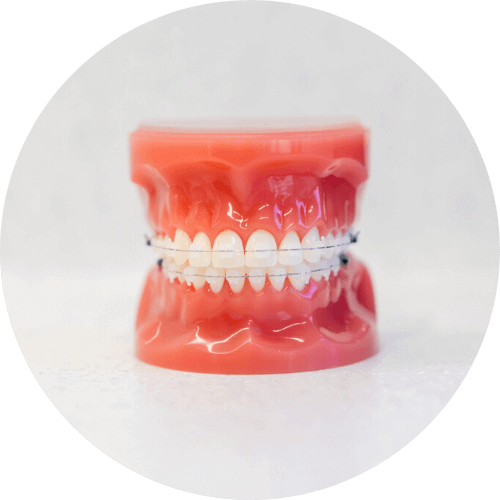
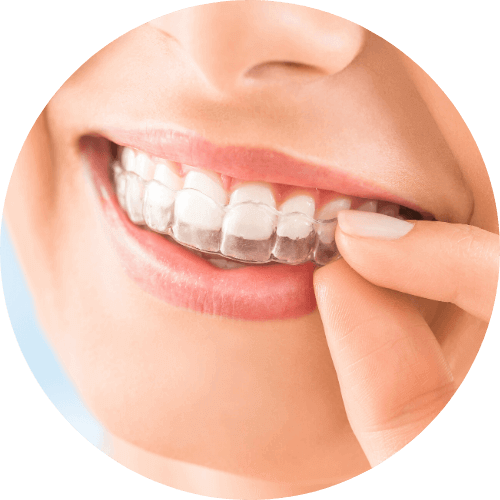
braces, clear aligners, or a combination of orthodontic appliances. The teeth get moved into place and the bite resolves.
A skeletal underbite is different. Here, the lower jaw is genuinely longer than the upper, or the upper is shorter, or both. Because the issue lives in the bone structure rather than the teeth, moving the teeth alone may not fix it, especially in adults.
Why Age Matters More Than People Realise
For children and younger teens, the jaw is still growing. That window opens up options that adults simply do not have.
Growth modification appliances, orthopaedic treatment, or early interceptive orthodontics can sometimes redirect how the jaws develop. A more severe-looking underbite in a nine-year-old may not need surgery at all if it is caught early.
For adults, the jawbones have finished growing. The only way to modify the size or shape of an adult jawbone is through surgery.
That does not automatically mean every adult with an underbite needs surgery. It depends on how much of the underbite is dental versus skeletal, and how much correction you are aiming for.
When Surgery Enters the Picture
Surgical orthodontics is the option for cases where the skeletal discrepancy is severe enough that
braces alone would not achieve a functional bite, or would leave a compromised facial appearance.
The surgery itself is performed by an oral and maxillofacial surgeon, not by your orthodontist. It requires a general anaesthetic and a recovery window of days to a week or more.
Traditionally, surgery happens about two-thirds of the way through the orthodontic treatment, after
braces have positioned the teeth so the bite works once the jaws are repositioned. Some newer techniques involve surgery earlier in the process, but the conventional sequence is still the most common.
Risks exist and are worth knowing about up front. They include the usual general anaesthetic risks, temporary or longer-lasting numbness of the lower lip and chin, and the chance of wound infection. A thorough consultation before treatment begins is where these are discussed in detail.
Let Us Be Real About the Compromise Option
There is a middle path that does not get talked about enough. For some patients with a moderate skeletal underbite, a non-surgical compromise is a legitimate option.
This usually means accepting that the final result will not be the textbook ideal. The teeth meet well, the bite is functional, and the appearance improves, but the underlying jaw structure remains where it started.
For patients who would rather not take on the recovery and risks of surgery, this can be a satisfactory outcome. The trade-off is real and it should be discussed openly.
Some patients want the most thorough correction available and surgery is the right call. Others prioritise avoiding the surgical pathway and are happy with a compromise that improves function and appearance. Neither is the wrong choice once you have all the information.
What Actually Happens at a Specialist Assessment
The only way to know which path is right for your underbite is a proper specialist assessment. At our Gosford rooms, that starts with a full clinical examination, photos, scans, and usually an X-ray to look at the jawbones themselves.
From there, your orthodontist can tell you whether the underbite is dental, skeletal, or a combination. They will walk you through the options that are realistic for your specific case. If surgery is on the table, you will be referred to an oral and maxillofacial surgeon for a separate consultation to cover that side in detail.
You do not have to decide anything on the spot. The point of the consultation is to get clarity, not to commit.
Why Central Coast Families Trust Our Gosford Team
A few things stand out when patients come to us with bite questions:
- Registered specialist orthodontists, with full specialist training beyond general dentistry, leading every case
- Experience across the full range of underbite cases, from early childhood interception to adult surgical orthodontics
- Coordinated care with an oral and maxillofacial surgeon when surgery is the right path, so the orthodontic and surgical sides of treatment stay in sync
- Honest conversations about all options, including the non-surgical compromise pathway when it is clinically appropriate
- Two locations to keep follow-ups easy, with our Gosford rooms at 1/59 Beane Street
Ready When You Are
An underbite has a few possible paths, and the right one depends on details only an in-person assessment can reveal. Ready to find out where your case sits? Book your initial consultation at our Gosford rooms today, and we will walk you through every option that fits your situation.