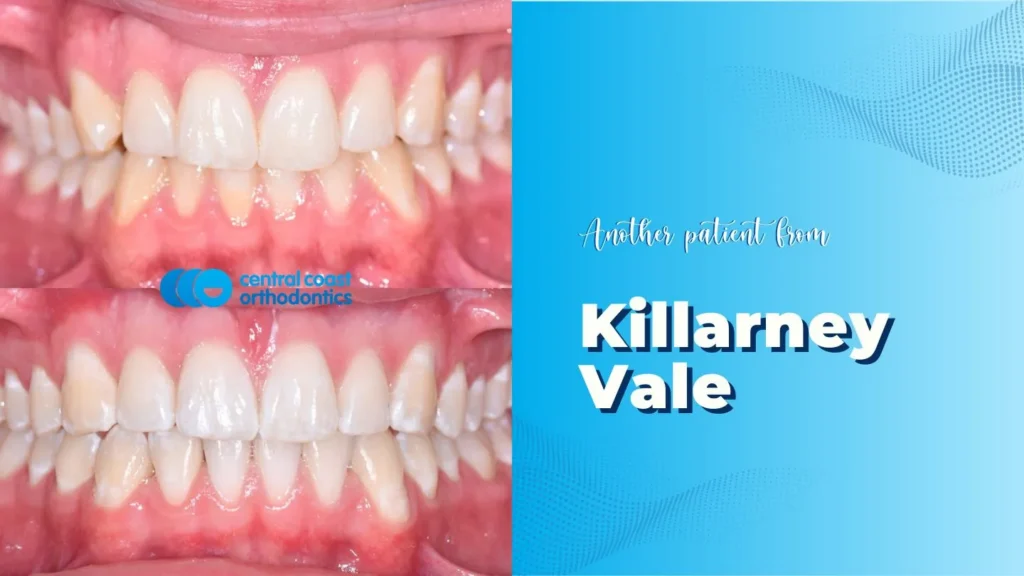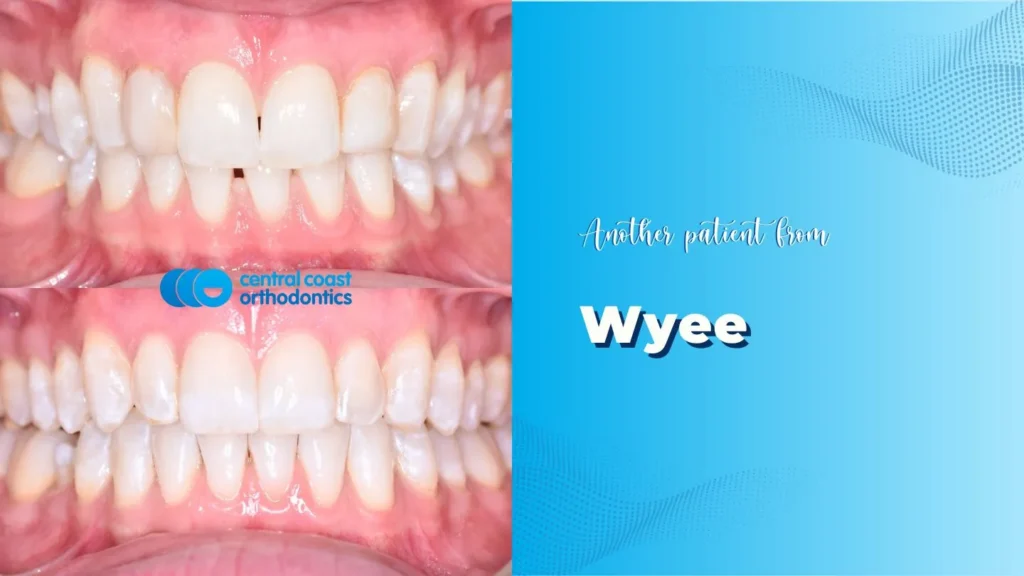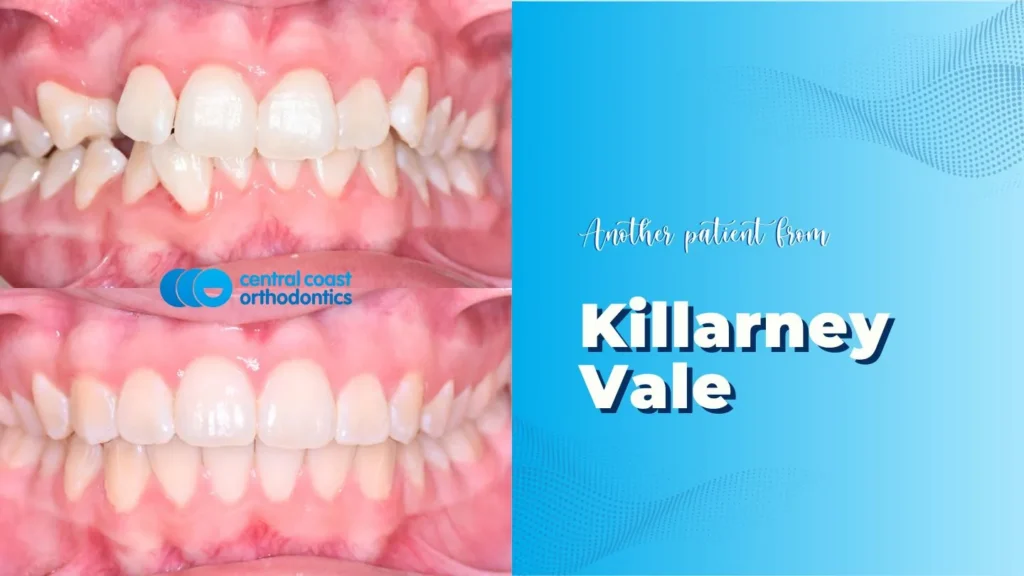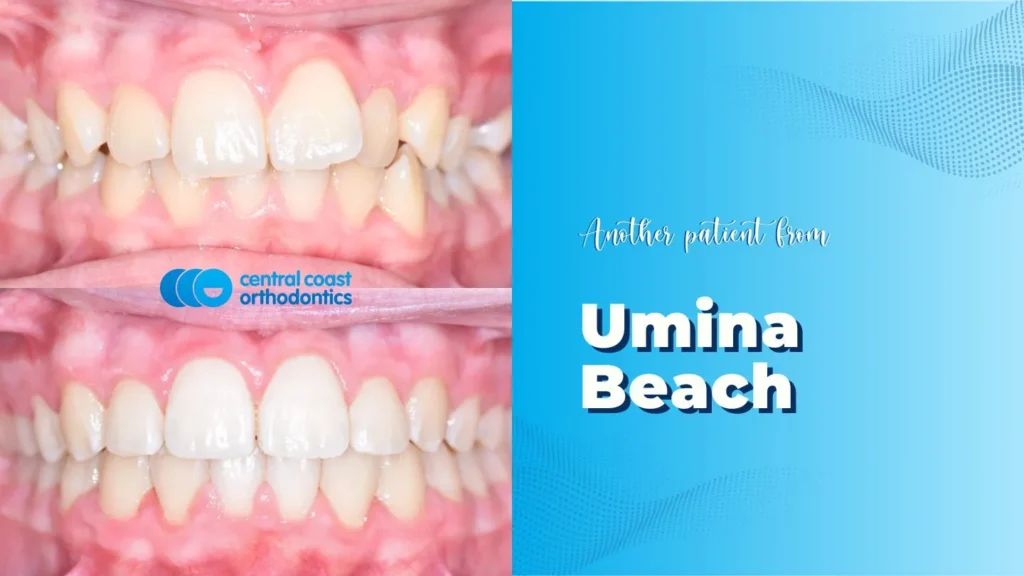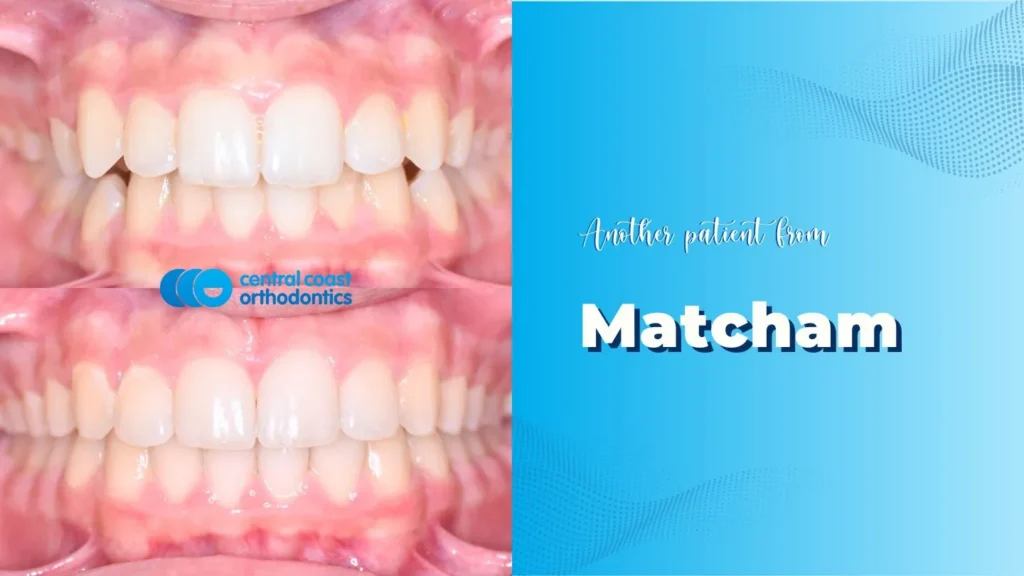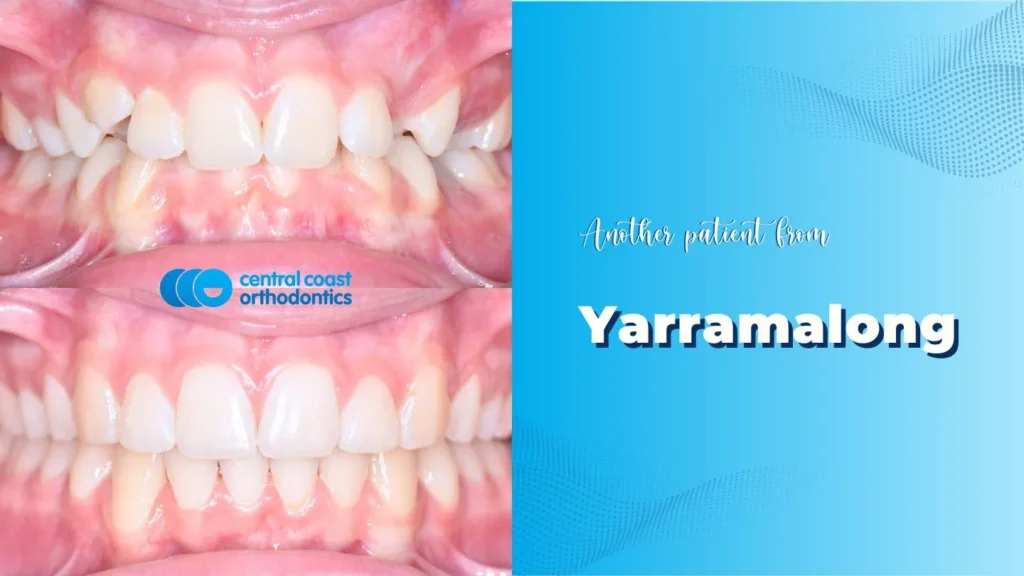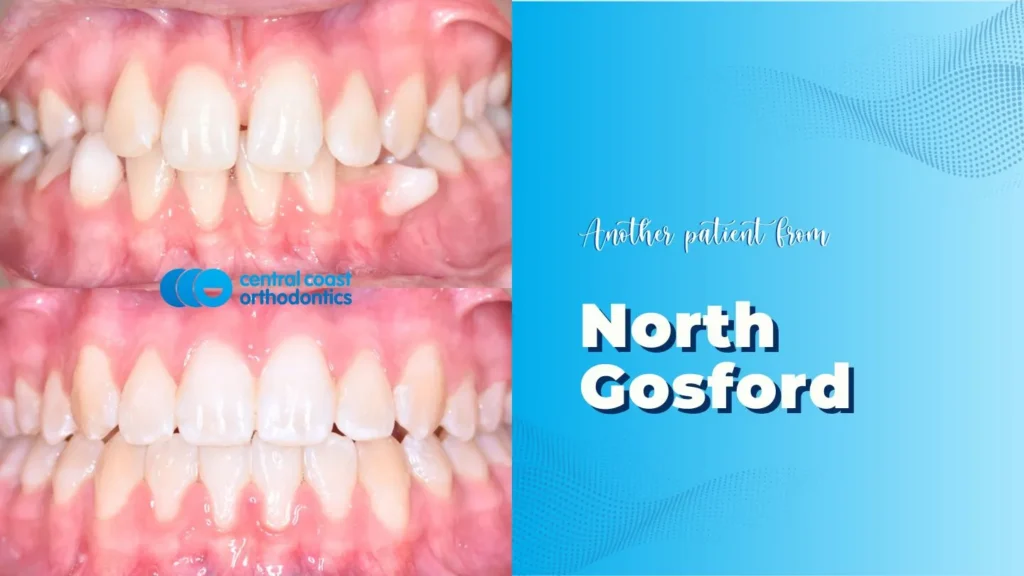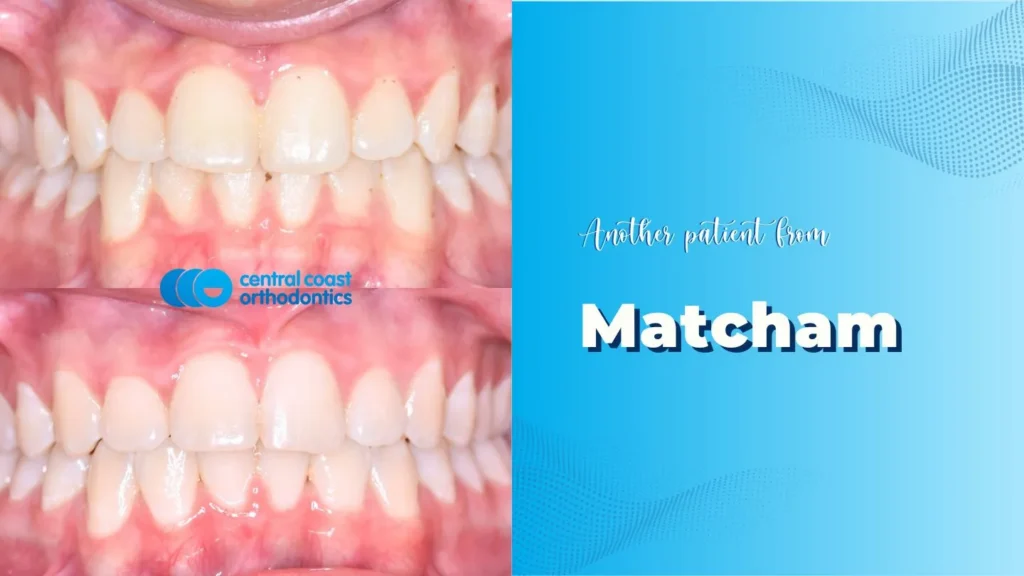
How is canine malposition treated in pre-adolescents in Gosford?
Case Note ID: April-2022-CM
Location: Central Coast Orthodontics (serving the Gosford area)
Primary Treatments: Metal Braces, Canine Repositioning Protocol
Supporting Technology: Digital Position Analysis, Guided Eruption Mechanics
Presenting Clinical Problem
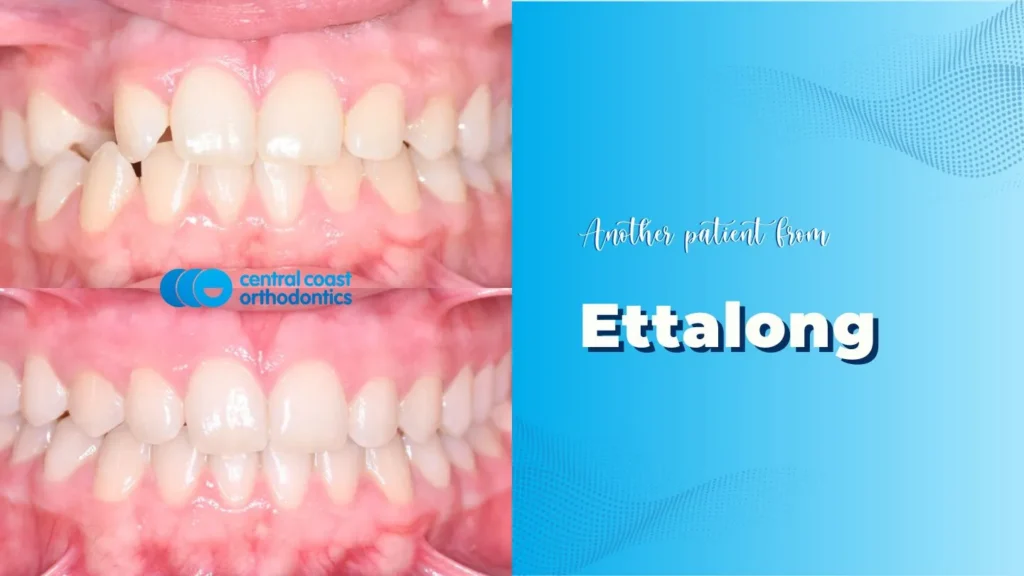
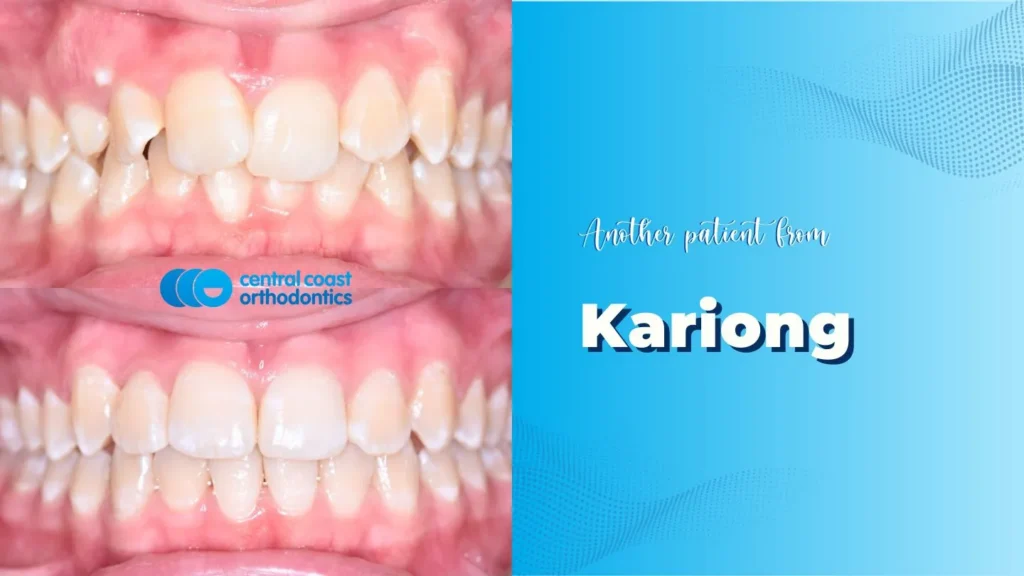
An 11-year-old patient presented with canine positioning abnormalities requiring orthodontic intervention to establish proper dental alignment and functional relationships.
- Ectopic Canine Eruption: Upper canines erupting significantly above normal positions, outside the dental arch
- Generalised Dental Misalignment: Multiple teeth positioned irregularly affecting overall arch coordination
- Vertical Positioning Discrepancy: Canines positioned too high in the alveolar bone relative to adjacent teeth
The primary clinical objective was to guide displaced canines into proper functional positions whilst establishing comprehensive dental alignment.
Treatment Plan & Clinical Process
A comprehensive treatment plan was developed to address the ectopic canine positioning through controlled orthodontic guidance and systematic alignment.
Phase 1: Eruption Pathway Assessment: Detailed clinical and radiographic evaluation determined canine position relative to adjacent teeth and optimal treatment mechanics. Assessment established whether surgical exposure would be required or if orthodontic guidance alone would be sufficient.
Phase 2: Guided Repositioning: Metal braces were placed with specialised mechanics designed to guide ectopic canines along controlled eruption paths toward functional positions. Treatment protocol involved gradual vertical and horizontal tooth movement whilst maintaining adjacent tooth integrity. The 18-month treatment duration allowed for systematic three-dimensional canine repositioning and comprehensive alignment achievement.
Phase 3: Functional Stability: Treatment completion focused on verifying proper canine positioning, functional occlusion, and establishing retention protocols to maintain corrections during continued dental development.
Clinical Outcome
The treatment successfully addressed the ectopic canine positioning and established proper dental alignment. The displaced canines were guided into functional positions within the dental arch through controlled orthodontic mechanics. Comprehensive treatment achieved stable arch relationships with proper canine function.
Treatment outcomes depend on individual patient characteristics, initial canine displacement severity, biological response to orthodontic forces, and retention compliance. Individual responses vary, and outcomes experienced by one patient do not necessarily reflect results others may experience.
Frequently Asked Questions for Gosford Patients
What causes canines to erupt in abnormal positions?
Ectopic canine eruption can result from inadequate arch space, abnormal developmental positioning, prolonged primary canine retention, or inherent eruption path deviations. Canines have the longest eruption path of any permanent teeth, creating increased potential for eruption complications. Some cases demonstrate familial patterns suggesting hereditary components.
When should high canines be treated in the Gosford area?
Treatment timing depends on canine position, eruption stage, and root development. Pre-adolescent intervention during active dental development often provides optimal conditions for guided eruption. Early detection through routine dental monitoring allows timely intervention when treatment is most effective and conservative.
Can high canines cause problems if left untreated?
Untreated ectopic canines may remain permanently displaced, potentially causing aesthetic concerns, functional limitations, and periodontal complications. Severely displaced canines may damage adjacent tooth roots through resorption. Canines play important roles in functional occlusion, and their proper positioning contributes to long-term dental health.