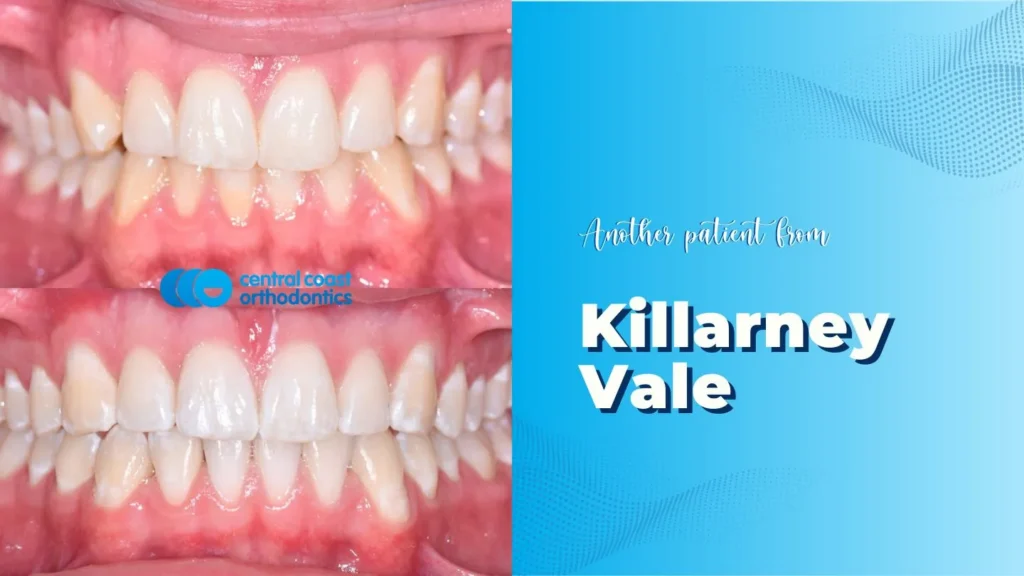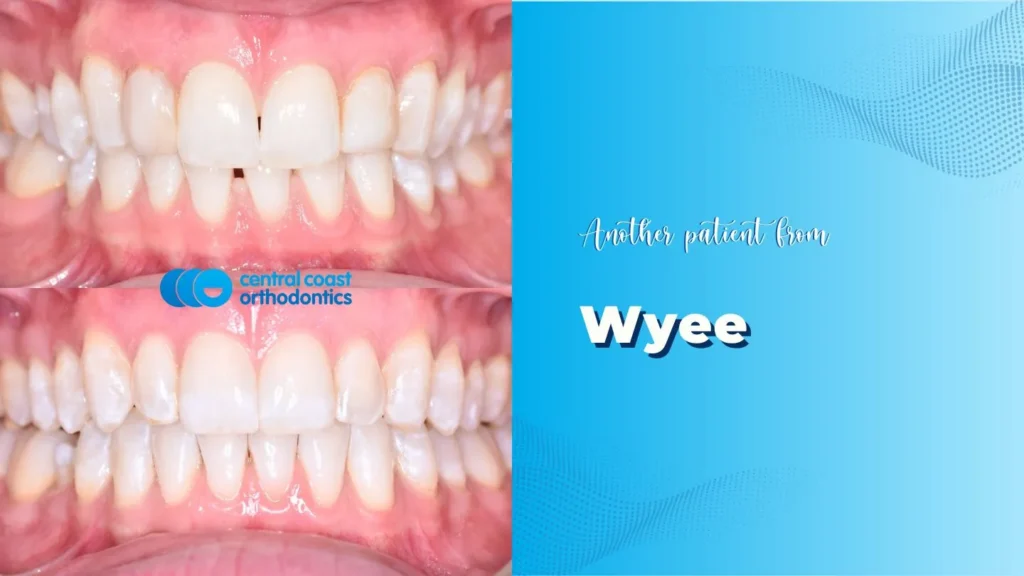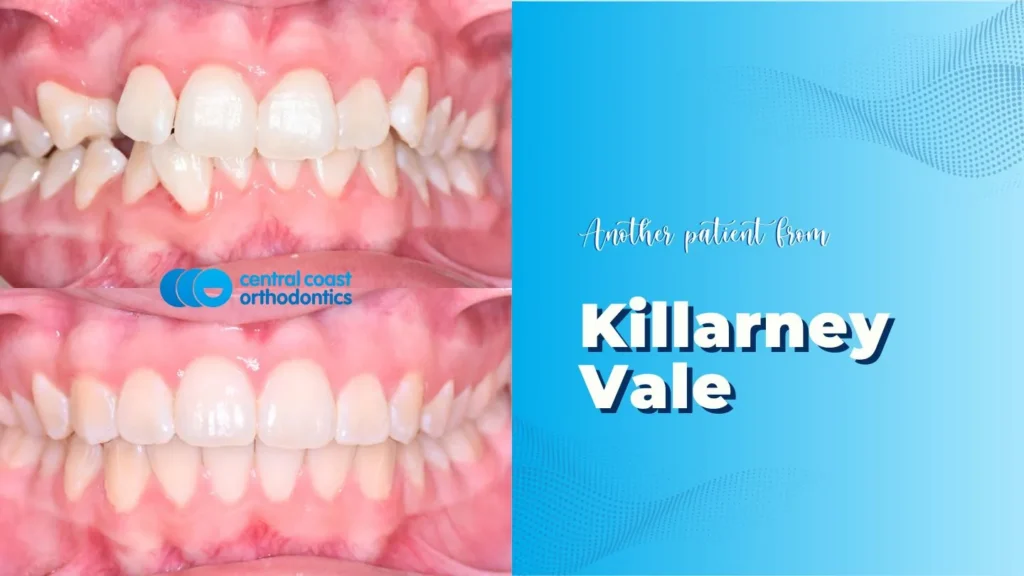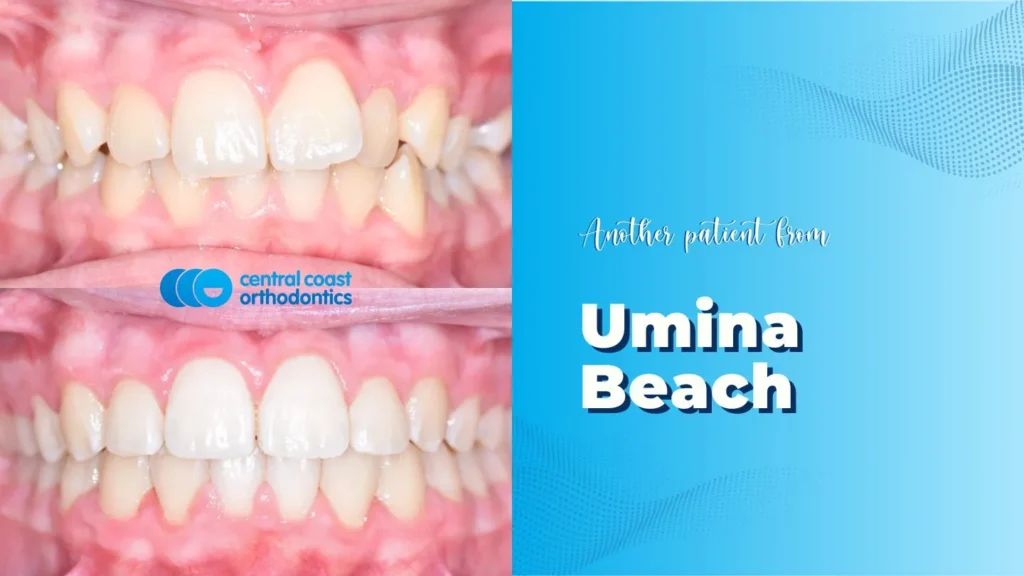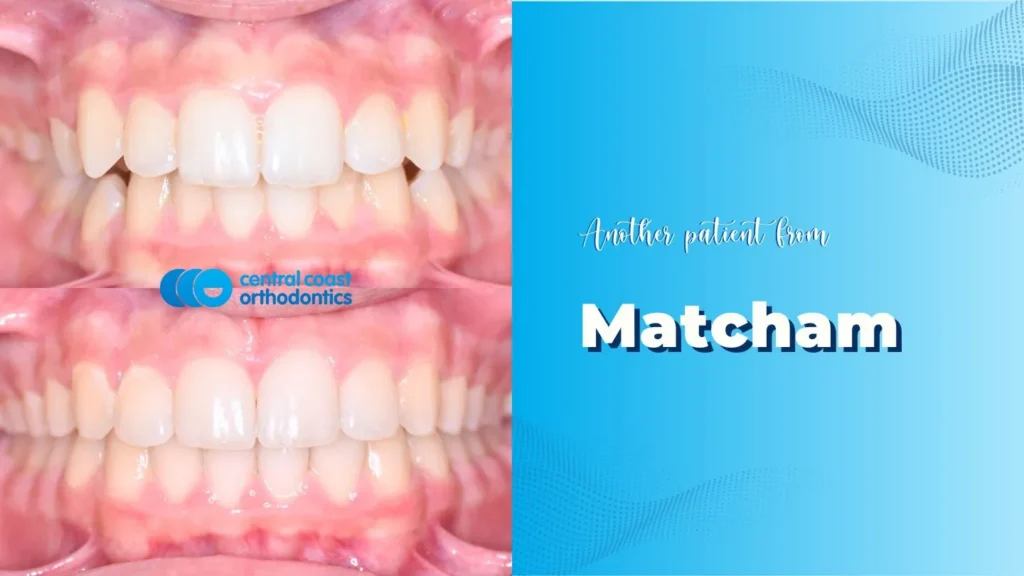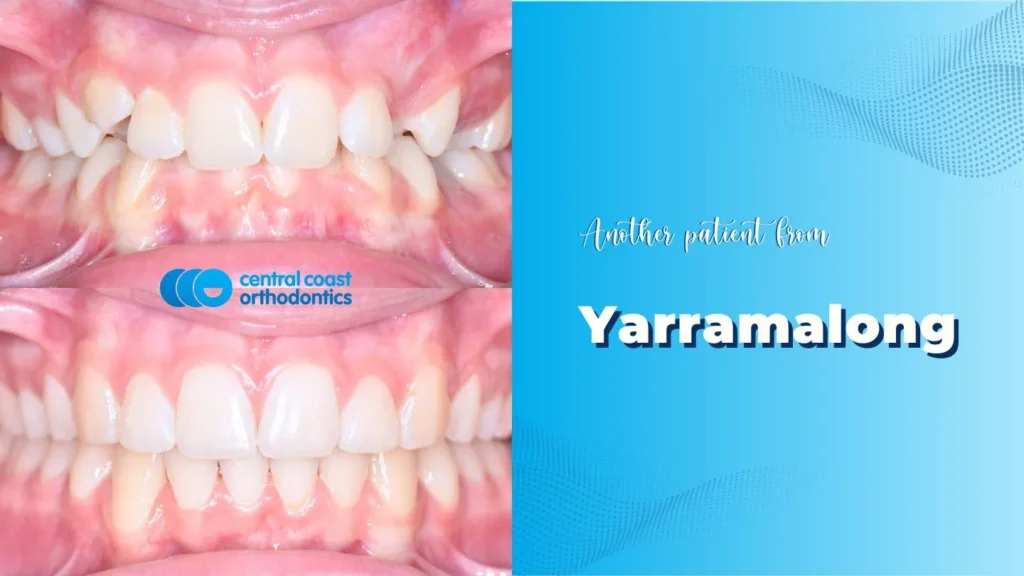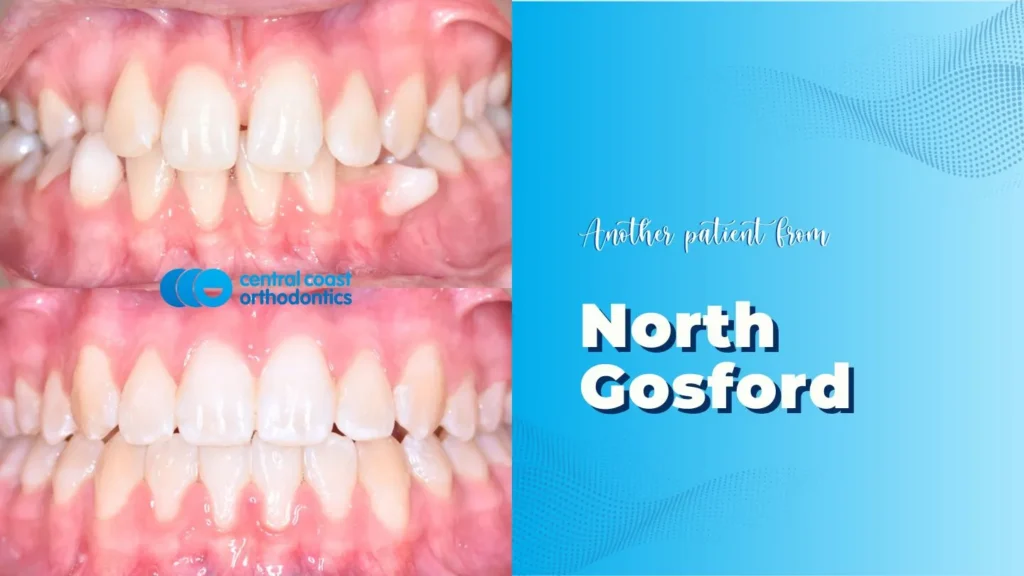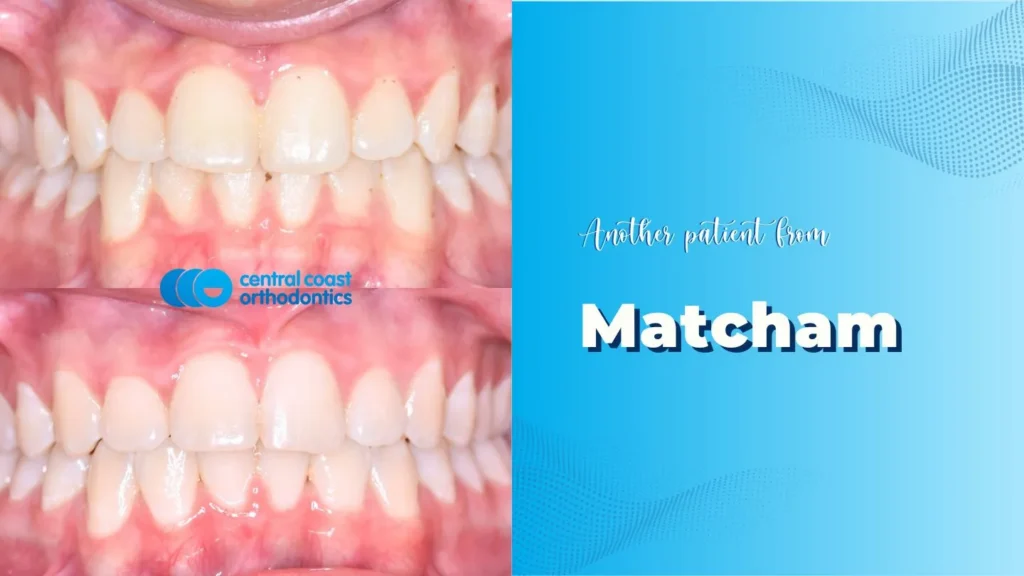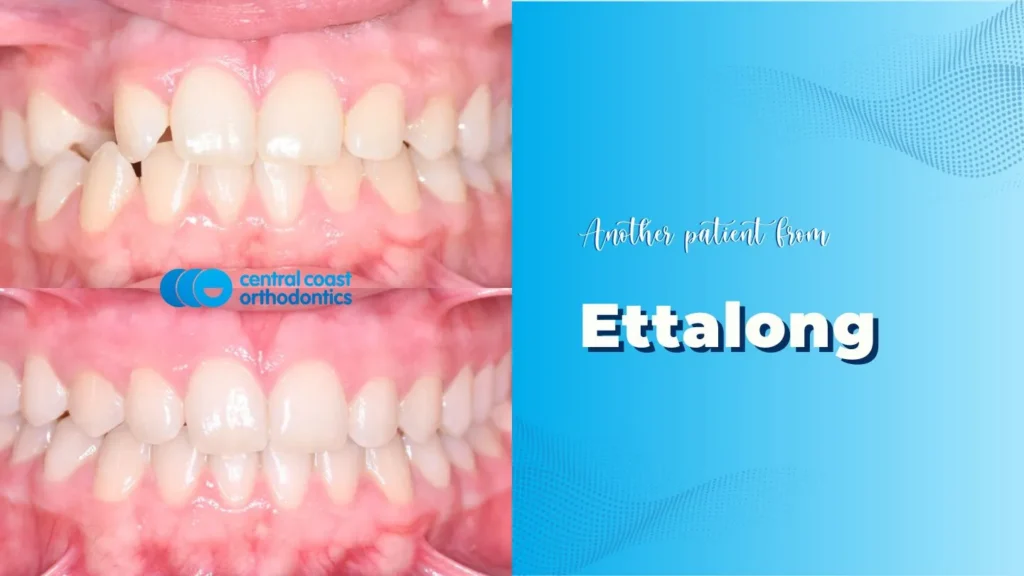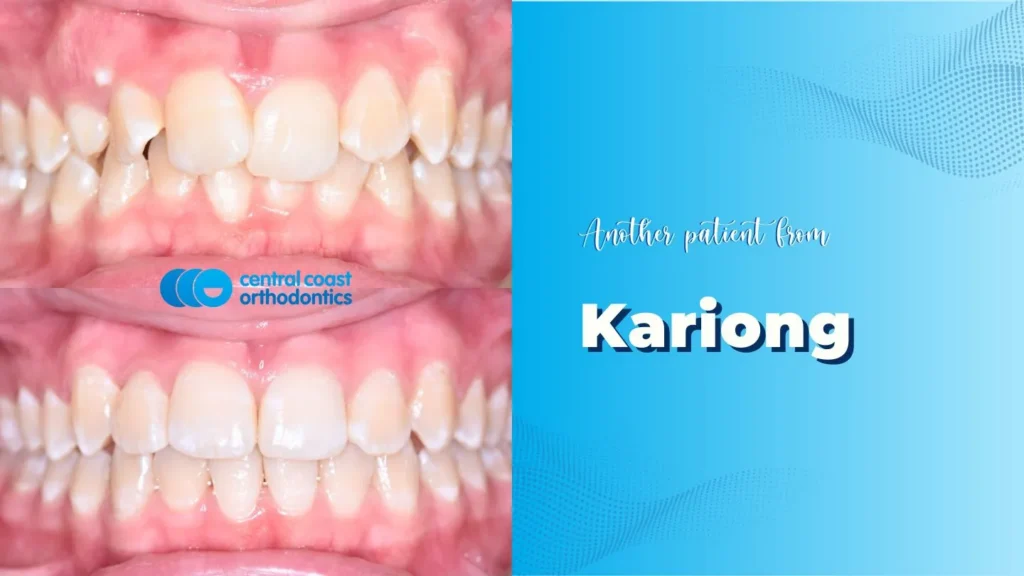
How are displaced canines treated in early teens near Erina?
Case Note ID: November-2022-DT
Location: Central Coast Orthodontics (serving Erina and surrounding areas)
Primary Treatments: Metal Braces, Canine Repositioning
Supporting Technology: Digital Position Analysis, Controlled Movement Protocol
Presenting Clinical Problem
A 12-year-old patient from the Erina area presented with canine malposition requiring orthodontic intervention.
- Canine Displacement: Canine teeth not positioned properly within the dental arch
- Generalised Irregularity: Multiple teeth positioned irregularly affecting overall alignment
- Eruption Timing Concerns: Canines requiring guidance to achieve functional positions
The primary clinical objective was to establish proper canine positioning whilst achieving comprehensive dental alignment.
Treatment Plan & Clinical Process
A treatment plan was developed to address canine displacement through systematic orthodontic correction.
Phase 1: Position Assessment: Evaluation determined canine position relative to adjacent teeth and optimal correction approach. Assessment established the mechanics needed to guide canines into proper positions.
Phase 2: Guided Repositioning: Metal braces were placed with mechanics designed to move displaced canines systematically into functional positions. Treatment protocol coordinated canine movement with comprehensive alignment of adjacent teeth. The 15-month treatment duration allowed for controlled canine repositioning and overall alignment achievement.
Phase 3: Functional Verification: Treatment completion focused on confirming proper canine positioning, functional occlusion, and establishing retention protocols during continued dental development.
Clinical Outcome
The treatment addressed the canine displacement and established proper dental alignment. Canines were repositioned into functional locations within the dental arch.
Outcomes vary based on individual factors including initial canine position, biological response, and retention compliance.
Frequently Asked Questions for Erina Patients
What causes canines to become displaced?
Canine displacement often results from insufficient arch space during eruption, abnormal eruption paths, or prolonged retention of primary teeth. Canines have long eruption paths, making them more susceptible to displacement compared to other teeth. Regular monitoring during development allows early detection.
How long does it take to move displaced canines into position near Erina?
Treatment duration for canine displacement varies based on how far canines need to move and their initial position. Most cases require 12-18 months of active treatment. More severely displaced canines may require longer treatment times. Individual assessment provides specific timeframe estimates.
Can displaced canines affect other teeth?
Displaced canines can create spacing irregularities, affect adjacent tooth positions, or contribute to bite problems. Proper canine positioning is important for functional occlusion and long-term dental stability. Timely treatment addresses these concerns whilst dental development is active.