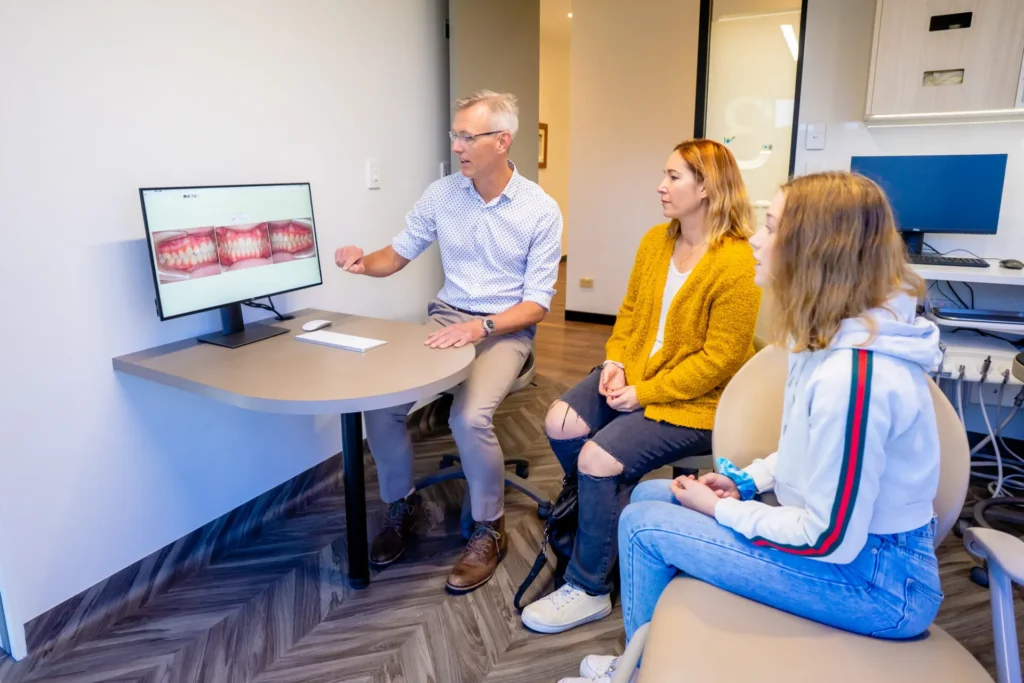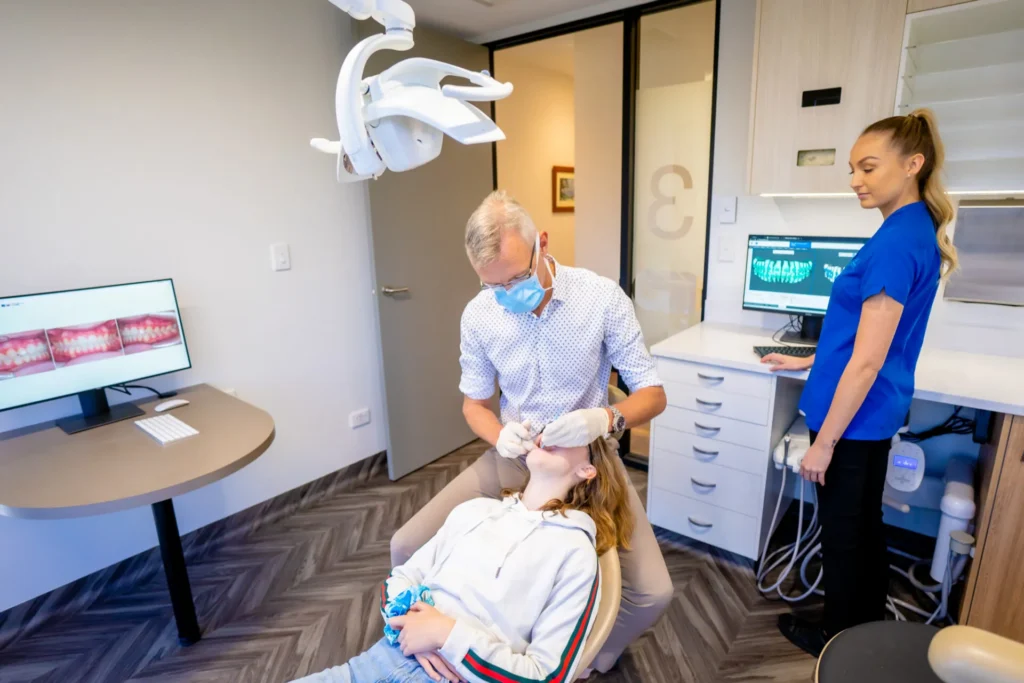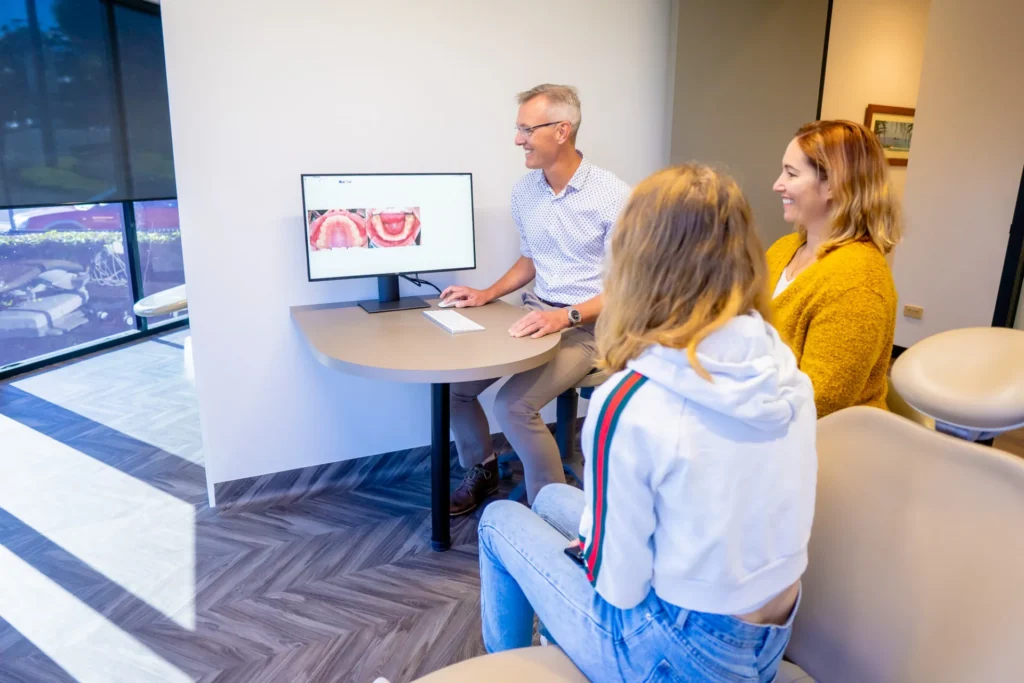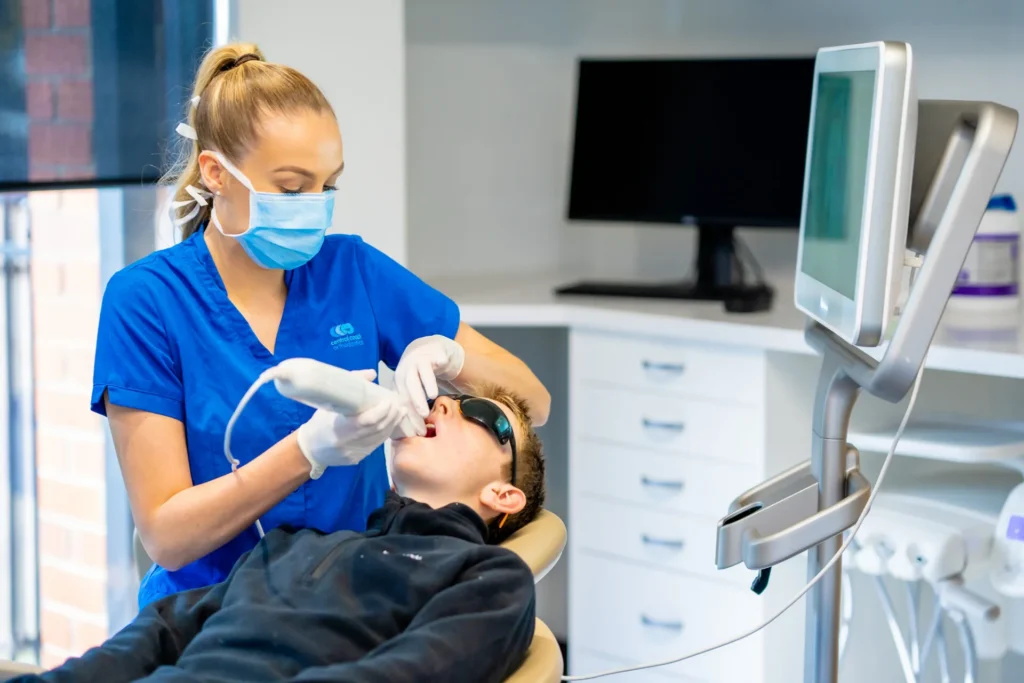
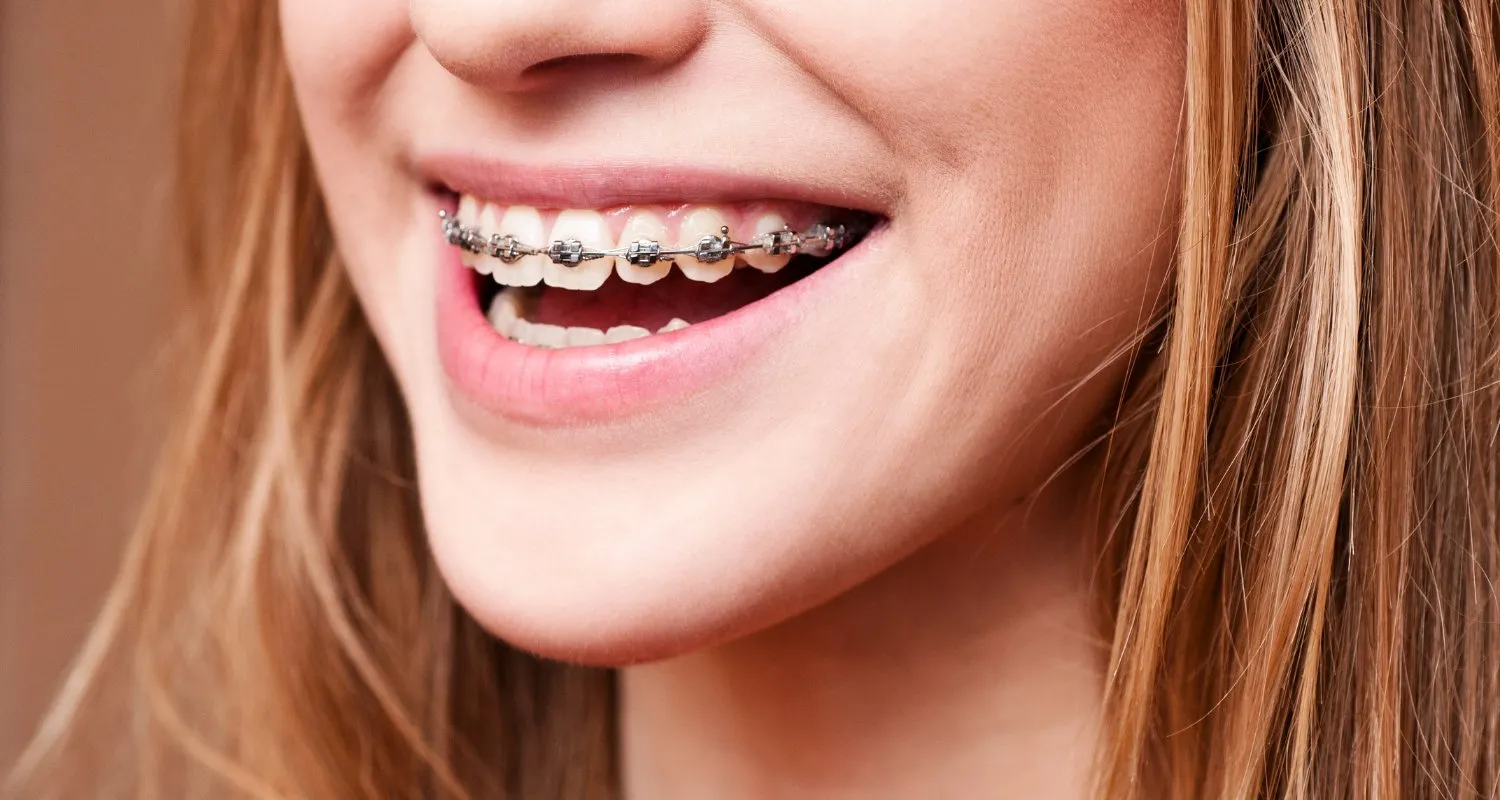
You’ve probably heard that there’s an “ideal age” for orthodontic treatment, but you might not know why timing matters so much. The secret lies in something called jaw growth modification, using your child’s natural growth patterns to guide jaw development in more favourable directions. At Central Coast Orthodontics, we’re often asked whether it’s worth starting orthodontic treatment while children still have baby teeth. For certain jaw-related issues, the answer is yes, but understanding what jaw growth modification can and cannot achieve helps families make informed decisions about early treatment. Let’s talk about how this works, when it’s appropriate, and what realistic outcomes look like for growing patients.
What Actually Happens During Jaw Growth
Children’s jaws grow and develop from infancy through the teenage years, with different growth spurts happening at different ages. The upper jaw generally completes most of its forward growth by around age 7-8, while the lower jaw continues developing into the mid-to-late teens. This growth happens in predictable patterns, but the timing and extent vary considerably between individuals. Understanding these growth patterns helps orthodontic specialists identify the optimal timing for treatment when jaw-related issues are present.
When Jaw Growth Modification Makes Sense
Jaw growth modification isn’t appropriate for every child with crooked teeth. It’s specifically indicated when significant jaw discrepancies exist that could benefit from treatment during active growth periods. Upper Jaw Narrowness: When the upper jaw is too narrow, it can cause crossbites where upper teeth sit inside lower teeth. Palatal expansion during childhood can widen the upper jaw, taking advantage of the unfused midline suture that exists until around puberty. Severe Overbites: When the upper front teeth protrude significantly over the lower teeth due to jaw positioning issues, early treatment may help modify growth patterns. This can reduce trauma risk to protruding front teeth and potentially simplify future comprehensive treatment. Underbites: When the lower jaw sits forward relative to the upper jaw, creating an underbite, early intervention may encourage more favourable growth of the upper jaw in some cases. However, outcomes vary considerably based on the severity and underlying causes. Significant Jaw Size Discrepancies: When substantial differences exist between upper and lower jaw sizes affecting function and facial proportions, treatment during growth may help address these relationships.
What Jaw Growth Modification Actually Involves
Early orthodontic treatment for jaw issues typically uses appliances designed to influence jaw position or development during growth periods. Palatal expanders gradually widen the upper jaw by applying gentle pressure to the midline suture. Functional appliances work with jaw muscles and growth patterns to influence jaw positioning, often used for overbite or underbite situations. For specific situations involving upper jaw protrusion, headgear may be recommended. Treatment duration typically ranges from 12-18 months, though this varies based on the specific issue and individual response to treatment.
What Research Shows About Outcomes
It’s important to understand what jaw growth modification can realistically achieve based on current evidence. Upper jaw expansion in growing patients shows predictable, stable results when appropriate cases are selected. Functional appliances can influence jaw positioning and may affect growth direction to varying degrees, though research shows outcomes are quite individual. Jaw growth modification works within your child’s genetic growth potential – it can’t fundamentally change predetermined growth patterns. Severe skeletal discrepancies often require surgical correction once growth is complete, regardless of early treatment. Response to jaw growth modification varies significantly between patients based on factors including growth timing, severity of the original problem, treatment compliance, and genetic factors.
The Two-Phase Treatment Approach
When jaw growth modification is recommended, it typically represents Phase 1 of a two-phase treatment approach. Phase 1 addresses significant jaw discrepancies during growth, typically between ages 7-11. After Phase 1, children are monitored as they continue growing and adult teeth erupt. This observation period typically lasts 1-3 years. Once most adult teeth have erupted (usually ages 11-14), comprehensive orthodontic treatment addresses remaining alignment and bite issues. This phase typically involves braces or clear aligners. Not all children who receive Phase 1 treatment will need Phase 2, though most do require some additional treatment to achieve optimal alignment.
When Early Treatment Isn’t Necessary
Many orthodontic issues don’t benefit from early intervention and can wait until comprehensive treatment age. Simple crowding, minor spacing issues, and tooth alignment problems without jaw involvement typically don’t require jaw growth modification. According to the Australian Society of Orthodontists, only about 15-20% of children actually need early orthodontic treatment. Most can wait until ages 11-13 when comprehensive treatment achieves excellent results in a single treatment phase.
What Families Should Consider
Deciding whether to pursue jaw growth modification involves weighing several practical factors beyond clinical indications. Early treatment often involves removable appliances requiring consistent wear. Children must be mature enough to follow instructions and parents must be prepared to supervise compliance. Phase 1 treatment requires regular appointments over 12-18 months, followed by monitoring visits, then potentially Phase 2 treatment later. Two-phase treatment involves separate treatment fees for each phase. We provide transparent cost information and payment options, but families should understand the total investment involved. Understanding that early treatment addresses specific jaw issues but doesn’t eliminate the need for future comprehensive treatment helps families make informed decisions.
Our Assessment Approach
At Central Coast Orthodontics, we evaluate whether jaw growth modification is appropriate through comprehensive assessment of facial growth patterns, jaw relationships, bite function, and growth potential. We only recommend early treatment when clear clinical indications exist and treatment timing offers significant advantages over waiting. When comprehensive treatment at age 11-13 would achieve similar results, we’re honest about recommending the wait-and-see approach.
The Reality Check
Jaw growth modification can address significant jaw discrepancies during childhood growth, creating better skeletal relationships and potentially simplifying future treatment. However, it works within genetic growth patterns and can’t fundamentally change predetermined development. Early treatment isn’t necessary or beneficial for most children. When it is appropriate, families should understand it typically represents the first phase of treatment, with comprehensive orthodontics still needed later. At Central Coast Orthodontics, we focus on evidence-based treatment recommendations and realistic expectations. We’d rather tell you to wait if early treatment isn’t indicated than recommend unnecessary intervention. Wondering whether your child might benefit from early orthodontic evaluation? Call Central Coast Orthodontics to schedule an assessment. We’ll provide honest guidance about whether jaw growth modification is appropriate for your child’s specific situation, or if waiting for comprehensive treatment makes more sense.
Frequently Asked Questions
Will early treatment for jaw problems mean my child won’t need braces later? Most children who receive jaw growth modification still need comprehensive orthodontic treatment later to address tooth alignment and bite details. Early treatment creates better jaw relationships, which may simplify later treatment, but rarely eliminates the need for Phase 2 treatment entirely. How do you know if my child will respond well to jaw growth modification? While we can identify children likely to benefit based on clinical evaluation and growth assessment, individual response varies and cannot be predicted with certainty. Some patients respond very well, while others show minimal changes. We discuss realistic expectations during treatment planning. Is there a point where it’s too late for jaw growth modification? Jaw growth modification works best during active growth periods, typically before mid-puberty. Once growth is largely complete, jaw discrepancies that remain require either acceptance or surgical correction. This is why early evaluation around age 7 helps identify the optimal treatment window.