
Closing Gaps and Creating Space: How Clear Aligners Tackle Your Trickiest Tooth Troubles
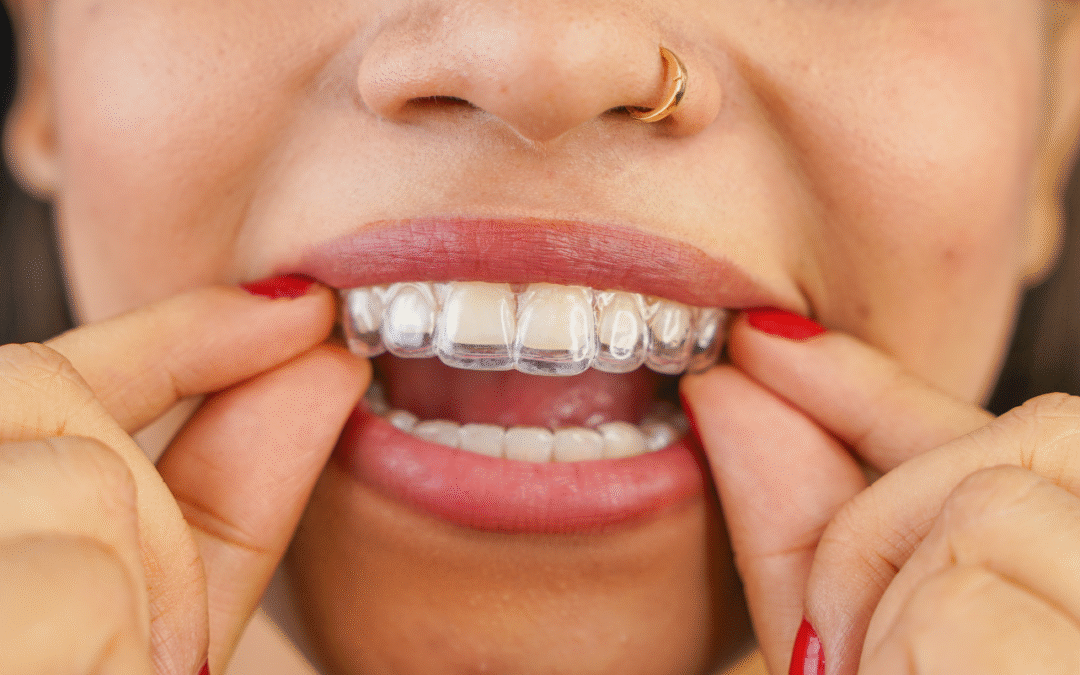
You’ve probably scrolled through countless before-and-after photos of people flashing perfect smiles after clear aligner treatment, but you’re wondering: can these nearly invisible plastic trays actually handle your specific spacing issues? Whether you’re dealing with teeth packed together like sardines or gaps that make you self-conscious, the effectiveness of clear aligners for spacing problems isn’t always straightforward.
At Central Coast Orthodontics, we get these questions daily from patients who’ve been told conflicting information about what clear aligners can and cannot achieve. The truth is, clear aligners spacing solutions have come a remarkably long way, but success depends heavily on understanding exactly what type of spacing issues you’re dealing with.
Understanding Different Types of Spacing Issues
Not all spacing problems are created equal. Your mouth might be dealing with one or several different issues that require completely different approaches.
Overcrowding Issues: This happens when your jaw simply doesn’t have enough room for all your teeth. Mild crowding might involve slight overlapping of front teeth, while severe crowding can create twisted teeth or teeth that sit completely out of alignment. According to recent Australian dental health surveys, approximately 60% of adults have some degree of dental crowding.
Gap Spacing Problems: These occur when you have too much space between teeth, creating noticeable gaps. Small gaps between front teeth are common, but spacing issues can affect any area of your mouth and range from barely noticeable to quite prominent.
Combination Issues: Many patients actually have both problems – crowding in one area and excessive spacing in another. This creates unique challenges that require careful treatment planning.
The key to successful clear aligners spacing treatment lies in accurate diagnosis and realistic treatment planning from the start.
How Clear Aligners Address Overcrowding
When it comes to tackling overcrowded teeth, clear aligners work through a combination of strategies that gradually create the space needed for proper alignment.
Creating Space Through Expansion: Modern clear aligner systems can gently expand your dental arches, creating additional room for crowded teeth. This process happens gradually over months, using gentle but consistent pressure to encourage bone remodelling around your teeth roots.
Strategic Tooth Reshaping: In cases of mild to moderate crowding, your orthodontist might recommend interproximal reduction (IPR) – carefully removing tiny amounts of enamel between teeth to create space. This technique is safe and effective when performed by experienced practitioners.
Coordinated Movement Patterns: Clear aligners excel at moving multiple teeth simultaneously in coordinated patterns. Rather than addressing each crowded tooth individually, the treatment orchestrates complex movements that create space efficiently throughout your arch.
Realistic Limitations: However, severe overcrowding often requires more space creation than clear aligners alone can provide. In these cases, traditional braces might be more appropriate, or treatment might need to include tooth extraction.
Addressing Gap and Spacing Problems
While creating space for crowded teeth is complex, closing gaps presents its own unique challenges that clear aligners handle quite well in many situations.
Small Gap Closure: Clear aligners are particularly effective at closing small to moderate gaps between teeth. The clear plastic applies gentle, consistent pressure that encourages teeth to move together gradually. Most gaps under 6mm respond beautifully to aligner treatment.
Multiple Gap Coordination: When you have several small gaps throughout your smile, clear aligners can address them simultaneously. This coordinated approach often produces more predictable results than trying to close gaps individually.
Root Movement Considerations: Closing larger gaps requires not just moving the crowns of teeth but also moving the roots. Clear aligners are effective at this type of movement, but it requires careful treatment planning and sometimes additional techniques like attachments.
The Role of Advanced Technology
Modern clear aligners spacing solutions rely heavily on sophisticated treatment planning technology. At Central Coast Orthodontics, our 3D imaging and treatment simulation capabilities allow us to predict and plan tooth movements with remarkable precision.
3D Treatment Planning: Before your first aligner is manufactured, we create a complete 3D simulation of your entire treatment. This allows us to identify potential challenges, plan space creation or closure strategies, and ensure realistic timelines from the start.
Attachment Strategies: Small, tooth-coloured attachments bonded to specific teeth can dramatically enhance what clear aligners can achieve. These attachments provide additional grip points that allow for more complex movements, particularly helpful in spacing cases.
Progress Monitoring: Regular check-ins allow us to ensure treatment is progressing as planned and make adjustments if needed. Modern aligner systems can be modified mid-treatment if spacing issues aren’t responding as expected.
Patient Compliance: The Make-or-Break Factor
The most sophisticated clear aligners spacing technology won’t work if patients don’t wear their aligners consistently. This is particularly crucial for spacing issues, where precise, gradual movement is essential for stable results.
Clear aligners need to be worn 20-22 hours per day to be effective. For spacing issues specifically, inconsistent wear can lead to treatment stalling or gaps reopening during the process. We work with patients to understand their lifestyle demands and create realistic treatment plans.
When Clear Aligners Might Not Be the Best Choice
Honesty is crucial when it comes to treatment planning. While clear aligners spacing solutions have expanded dramatically, some situations still require alternative approaches:
- Severe overcrowding cases requiring significant space creation
- Complex bite issues related to significant bite discrepancies
- Skeletal problems related to jaw size discrepancies
- Compliance concerns for patients who cannot commit to consistent wear
Making the Right Choice for Your Spacing Issues
The decision about whether clear aligners can effectively address your specific spacing problems requires professional evaluation by experienced orthodontic specialists. At Central Coast Orthodontics, we use advanced diagnostic tools to assess not just your current spacing issues, but also the underlying causes and your individual treatment goals.
During your consultation, we’ll discuss realistic treatment outcomes, alternative treatment options including traditional braces, timeline expectations, and cost considerations for your specific situation.
Clear Solutions for Complex Problems
Clear aligners spacing solutions have revolutionised orthodontic treatment, offering effective options for many overcrowding and gap closure cases that previously required traditional braces. However, success depends on proper case selection, advanced treatment planning, and patient compliance throughout the process.
The key is working with orthodontic specialists who understand both the capabilities and limitations of clear aligner technology. Not every spacing issue is appropriate for clear aligner treatment, but when properly applied, these systems can achieve remarkable results while maintaining the discretion modern patients desire.
Ready to discover whether clear aligners can effectively address your spacing concerns? Call Central Coast Orthodontics today to schedule your comprehensive consultation. Our experienced team will assess your unique situation and recommend the most effective treatment approach for achieving your ideal smile.
Frequently Asked Questions
How long does it typically take to close gaps or address overcrowding with clear aligners?
Treatment time varies significantly based on the severity of your spacing issues. Minor gap closure might take 6-12 months, while moderate overcrowding often requires 12-18 months. During your consultation, we’ll provide realistic timelines based on your specific situation.
Will my spacing issues come back after clear aligner treatment is complete?
Proper retention is crucial for maintaining spacing corrections. We provide custom retainers and detailed instructions for wear schedules. Most patients who follow retention protocols maintain their spacing improvements long-term.
Can clear aligners work if I have both crowding and gaps in different areas of my mouth?
Yes, clear aligners can often address combination spacing issues effectively. The treatment planning software allows us to coordinate movements that create space where needed while closing gaps elsewhere. However, these complex cases require careful evaluation to ensure realistic treatment goals.
Disclaimer: Individual results vary. Assessment required to determine suitability for clear aligners.
Learn More About
Related Articles
Looking for the Best Surgical Orthodontist in Gosford? Here Is What Actually Matters
Yes, there is an orthodontist with payment plans near you in Erina. Central Coast Orthodontics offers interest free weekly, fortnightly or monthly plans.

Looking for an Orthodontist with Payment Plans Near Me in Erina? Here Is What Actually Matters
Yes, there is an orthodontist with payment plans near you in Erina. Central Coast Orthodontics offers interest free weekly, fortnightly or monthly plans.
How to Find the Right Orthodontist for Invisible Braces on the Central Coast
Looking for an orthodontist for invisible braces on the Central Coast? Learn why specialist care matters and what to look for. Gosford & Erina locations. Call 02 4327 9488.

Growing Into Their Smile: How Early Orthodontic Treatment Can Guide Jaw Development
Learn how jaw growth modification works during childhood development. Expert early orthodontic treatment at Central Coast Orthodontics in Gosford and Erina.