
Braces for Your Jaw Pain? Let’s Talk About TMJ and What Orthodontics Can (and Can’t) Do
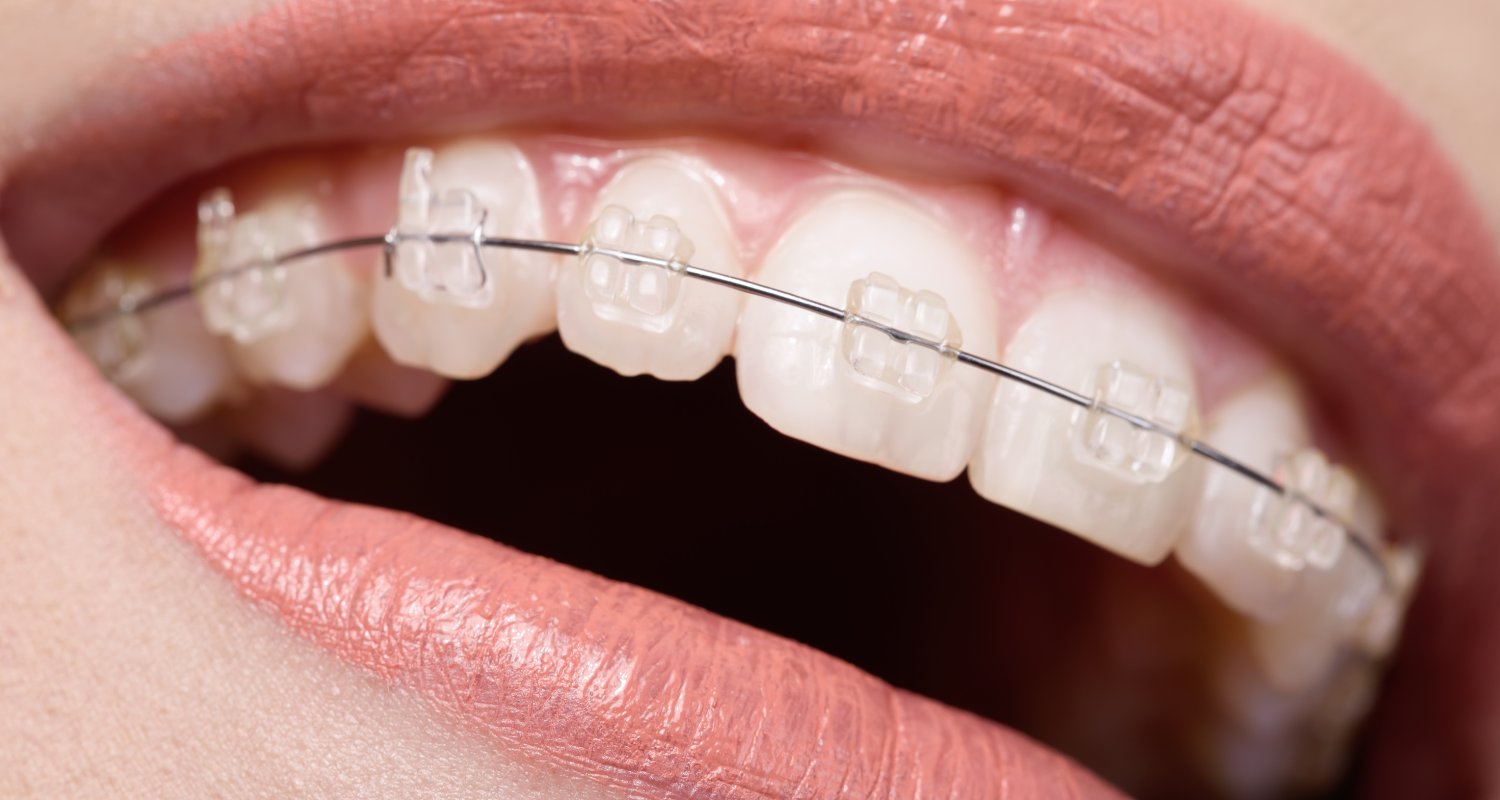
Your jaw clicks when you chew. You wake up with headaches. Someone mentions your bite looks off, and suddenly you’re wondering – could braces actually help with this jaw discomfort? It’s a question we hear regularly at Central Coast Orthodontics, and the honest answer is more nuanced than a simple yes or no.
The temporomandibular joint (TMJ) connects your jawbone to your skull, and when it’s not happy, you definitely know about it. Pain, clicking, limited movement – these symptoms can be genuinely frustrating. So when you’re also dealing with bite problems, it’s natural to wonder whether fixing one might help the other.
Here’s what you actually need to know about the relationship between orthodontic treatment and TMJ relief, based on current research and clinical experience.
What We’re Actually Talking About When We Say TMJ
First, let’s get clear on what TMJ disorders actually involve. The symptoms can include jaw pain or tenderness, clicking or popping sounds (though these aren’t always a problem), difficulty opening your mouth fully, headaches, and trouble chewing comfortably.
According to the Australian Dental Association, TMJ disorders are fairly common, with many people experiencing some symptoms at various points. The tricky bit? TMJ problems can stem from multiple causes – jaw injuries, arthritis, genetics, teeth grinding or clenching (often stress-related), and yes, sometimes bite issues.
The challenge is that TMJ disorders aren’t straightforward to diagnose or treat, because what’s causing the problem often varies considerably from person to person.
How Your Bite and Jaw Joint Actually Connect
Your bite determines how your upper and lower teeth come together. When you’ve got significant bite problems, they can affect how your jaw positions itself during everyday activities like eating and speaking.
Research shows the relationship between bite alignment and TMJ function isn’t as direct as you might expect. Plenty of people have notable bite issues but never develop TMJ problems. Others have beautifully aligned teeth but still experience jaw discomfort. Individual factors like jaw muscle function, joint anatomy, stress levels, and habits like clenching all play roles.
Current evidence suggests that while severe bite problems can contribute to jaw dysfunction in some people, fixing the bite doesn’t automatically resolve TMJ symptoms.
What Orthodontic Treatment Actually Does
Orthodontic treatment focuses on correcting tooth alignment and bite relationships. We can address overbites, underbites, crossbites, and crowding through various approaches including traditional braces, clear aligners, or sometimes surgical orthodontics for significant skeletal issues.
These corrections can improve chewing function and eliminate situations where teeth fit together awkwardly. For some patients with significant bite discrepancies that force the jaw into strained positions, correcting these relationships might allow more comfortable jaw positioning.
But here’s the critical bit – orthodontic treatment isn’t designed to treat TMJ disorders, and current research doesn’t support claims that it reliably provides TMJ relief.
What Research Actually Shows About TMJ Relief
Studies examining orthodontic treatment and TMJ symptoms show varied results. Some research indicates that orthodontic treatment neither significantly worsens nor consistently improves TMJ symptoms in most patients. Other studies suggest that correcting severe bite problems may benefit some patients with TMJ-related issues.
The bottom line? Current evidence doesn’t support claims that orthodontic treatment consistently improves or prevents TMJ disorders. Some patients report reduced symptoms after treatment, others notice no change, and occasionally symptoms may temporarily worsen during treatment. Individual response appears highly variable and can’t be predicted with certainty.
When Bite Correction Might Help
While orthodontic treatment doesn’t guarantee TMJ relief, certain situations may benefit from bite correction as part of comprehensive TMJ management. This includes cases where severe bite problems force the jaw into awkward positions, or when bite issues directly interfere with normal jaw movement.
For patients dealing with both significant bite problems and TMJ symptoms, orthodontic correction might be recommended as one component of a broader treatment plan that also addresses other contributing factors like muscle tension, stress, and grinding habits.
The Limitations You Need to Know
Orthodontic treatment should never be pursued solely for potential TMJ relief. It’s not a cure for TMJ disorders, and because these disorders involve multiple contributing factors beyond bite alignment, correcting the bite addresses only one potential piece of a complex puzzle.
Most TMJ disorders actually respond well to conservative treatments like jaw exercises, stress management, dietary modifications, and sometimes splint therapy. These approaches are typically recommended before considering orthodontic treatment specifically for TMJ symptoms.
Our Approach at Central Coast Orthodontics
When patients present with both bite problems and TMJ symptoms, we conduct thorough examinations of tooth alignment, bite relationships, and jaw function. This includes evaluating jaw movement, joint sounds, and how teeth fit together.
If orthodontic treatment is indicated based on bite problems, we discuss realistic expectations regarding TMJ symptoms upfront. This means being honest about what orthodontic treatment can address and what it can’t reliably change.
When TMJ symptoms are the primary concern, we may recommend evaluation by specialists focused on TMJ disorders before proceeding with orthodontic treatment. This ensures proper diagnosis and appropriate treatment planning.
Making Informed Decisions
Treatment decisions should be based primarily on the presence of significant bite or alignment problems, not on the hope of TMJ relief. Understanding that orthodontic treatment may not change TMJ symptoms helps you make decisions with eyes wide open.
For patients whose main concern is jaw discomfort, conservative TMJ treatments are typically more appropriate as first-line approaches than jumping straight into orthodontic treatment.
The Bottom Line
The relationship between orthodontic treatment and TMJ relief is complex and highly individual. While orthodontic treatment effectively corrects bite problems and tooth alignment, it doesn’t reliably provide TMJ relief and shouldn’t be pursued solely for this purpose.
When significant bite problems exist alongside TMJ symptoms, orthodontic correction might be recommended as one component of comprehensive care. But the decision should be based on the orthodontic issues themselves, with realistic expectations about potential effects on TMJ symptoms.
At Central Coast Orthodontics, our approach focuses on evidence-based recommendations and honest conversations about what orthodontic treatment can realistically achieve. We’d rather set proper expectations upfront than promise outcomes we can’t guarantee.
Dealing with bite problems or TMJ symptoms? Call Central Coast Orthodontics for a thorough evaluation. We’ll assess your specific situation and provide honest guidance about appropriate treatment options based on current evidence and your individual needs.
Frequently Asked Questions
Will getting braces fix my TMJ problems?
Orthodontic treatment addresses bite and alignment issues but doesn’t reliably resolve TMJ disorders. While some patients report reduced TMJ symptoms after treatment, research doesn’t support claims that orthodontic treatment consistently provides TMJ relief. Treatment decisions should be based primarily on significant bite or alignment problems.
Can orthodontic treatment make TMJ symptoms worse?
Most patients don’t experience worsening TMJ symptoms from orthodontic treatment. However, the changes during treatment can occasionally trigger or worsen symptoms in some individuals. We discuss this risk during treatment planning, particularly for patients with pre-existing TMJ concerns.
Should I treat my TMJ problems before starting orthodontic treatment?
When significant TMJ symptoms are present, conservative TMJ treatment is often recommended before beginning orthodontic treatment. This approach allows symptoms to stabilise and helps determine which symptoms, if any, may be related to bite issues versus other contributing factors.
Disclaimer: Individual results vary. Assessment required to determine suitability for clear aligners.
Learn More About
Related Articles
Looking for the Best Surgical Orthodontist in Gosford? Here Is What Actually Matters
Yes, there is an orthodontist with payment plans near you in Erina. Central Coast Orthodontics offers interest free weekly, fortnightly or monthly plans.

Looking for an Orthodontist with Payment Plans Near Me in Erina? Here Is What Actually Matters
Yes, there is an orthodontist with payment plans near you in Erina. Central Coast Orthodontics offers interest free weekly, fortnightly or monthly plans.
How to Find the Right Orthodontist for Invisible Braces on the Central Coast
Looking for an orthodontist for invisible braces on the Central Coast? Learn why specialist care matters and what to look for. Gosford & Erina locations. Call 02 4327 9488.

Growing Into Their Smile: How Early Orthodontic Treatment Can Guide Jaw Development
Learn how jaw growth modification works during childhood development. Expert early orthodontic treatment at Central Coast Orthodontics in Gosford and Erina.