You’re sitting in the dentist’s chair with your eight-year-old when they casually mention that your child might benefit from “early orthodontic intervention.” Suddenly you’re wondering if this is just another way to add to your healthcare expenses, or if there’s genuine benefit to starting orthodontic treatment before all the adult teeth have even come through. At Central Coast Orthodontics, we understand this dilemma perfectly. Many parents question whether phased orthodontic treatment is truly necessary or just an expensive preview of what’s coming later. The truth is, interceptive orthodontics isn’t about getting your child into braces early for the sake of it, it’s about creating the optimal conditions for their developing smile and potentially making future comprehensive treatment simpler, shorter, and more effective.
Understanding Interceptive Orthodontics
Interceptive orthodontics, also called Phase 1 treatment, focuses on guiding jaw growth and tooth development while your child still has a mix of baby and adult teeth. This typically occurs between ages 7-10, when specific developmental windows offer unique opportunities to influence how your child’s mouth develops. Unlike comprehensive orthodontic treatment that addresses all teeth simultaneously, interceptive treatment targets specific issues that, if left untreated, could create more complex problems later. Think of it as preventive maintenance for your child’s developing smile – addressing small issues before they become big problems. According to the Australian Society of Orthodontists, approximately 75% of children show signs of crowding or jaw development issues by age 12. Early intervention can often redirect this development in more favourable directions, potentially reducing the complexity of future treatment. The key is understanding that interceptive treatment isn’t always necessary, but when it is recommended by experienced orthodontic specialists, it can provide significant long-term benefits for your child’s oral health and facial development.
Common Issues Addressed Through Early Intervention
Not every child needs interceptive orthodontics, but certain conditions benefit significantly from early treatment. Understanding these conditions helps parents make informed decisions about their child’s orthodontic care. Severe Crowding Issues: When adult teeth are trying to emerge into spaces that are clearly too small, early intervention can create additional room through palatal expansion or other growth modification techniques. This prevents teeth from becoming impacted or erupting in severely malpositioned locations. Crossbite Problems: Crossbites occur when upper teeth sit inside lower teeth rather than outside them. Left untreated, crossbites can cause uneven jaw growth and facial asymmetry. Early correction allows the jaws to develop more normally. Excessive Overbites: Severe overbites can lead to trauma to front teeth and abnormal jaw development. Early treatment can modify jaw growth patterns and protect teeth from injury. Space Management: When baby teeth are lost prematurely due to decay or trauma, space maintainers preserve room for adult teeth to erupt properly. This prevents crowding that might otherwise require tooth extraction later. Harmful Oral Habits: Persistent thumb sucking, tongue thrusting, or other oral habits can significantly affect tooth and jaw development. Interceptive treatment can help eliminate these habits before they cause permanent changes.
How Early Treatment Prepares for Future Success
The goal of interceptive orthodontics isn’t to perfect your child’s smile immediately, it’s to create optimal conditions for their continued development and any future comprehensive treatment they might need. Improving Jaw Relationships: Early treatment can guide jaw growth to create better proportions between upper and lower jaws. This foundation makes any future orthodontic treatment more stable and predictable. When jaws are properly related, tooth movements are more efficient and results tend to be more stable long-term. Creating Adequate Space: By addressing crowding early, interceptive treatment can eliminate the need for tooth extractions during comprehensive treatment. Preserving all permanent teeth is almost always preferable when possible, both functionally and aesthetically. Reducing Treatment Complexity: Complex bite problems that develop during childhood often become more difficult to correct once growth is complete. Early intervention can simplify these issues, making future treatment faster and more comfortable for your child. Protecting Teeth from Trauma: Protruding front teeth are vulnerable to injury during childhood activities. Early treatment can reposition these teeth to a safer location, preventing chips, fractures, or tooth loss that could complicate future treatment.
The Phased Treatment Timeline
Phased orthodontic treatment typically follows a predictable timeline that takes advantage of your child’s natural development stages. Phase 1 (Ages 7-10): Early intervention addresses specific developmental issues while your child still has baby teeth. Treatment duration is usually 12-18 months, focusing on creating proper conditions for continued development. Rest Period (Ages 11-12): After Phase 1 treatment, children enter a monitoring period where we observe their continued development. During this time, remaining baby teeth fall out naturally and adult teeth continue erupting. Regular check-ups ensure development stays on track. Phase 2 (Ages 12-14): Comprehensive treatment begins once most adult teeth have erupted. Because of the foundation created during Phase 1, this treatment is often shorter, less complex, and more predictable than it would have been without early intervention. Retention (Ongoing): After comprehensive treatment, retainers maintain results just like any orthodontic treatment. However, results tend to be more stable when proper jaw relationships were established early.
Benefits Beyond Orthodontics
While the primary goal of interceptive orthodontics is preparing for optimal oral development, the benefits often extend beyond just teeth alignment. Breathing and Sleep Improvements: Narrow upper jaws can contribute to breathing difficulties and sleep issues in children. Early palatal expansion can open nasal passages and improve airway function, potentially addressing these concerns before they become entrenched patterns. Speech Development: Proper tooth and jaw relationships support clear speech development. Addressing severe bite problems early can prevent speech issues from developing or becoming habit patterns. Self-Esteem Considerations: While we’re careful not to overemphasise appearance, severe orthodontic problems can affect a child’s willingness to smile or participate socially. Early treatment can address the most noticeable issues during crucial social development years. Simplified Oral Hygiene: Severely crowded or malpositioned teeth are difficult to clean properly. Early intervention can create better access for brushing and flossing, supporting better oral health throughout childhood.
Making the Decision: Is Early Treatment Right for Your Child?
Not every child needs interceptive orthodontics, and it’s important to distinguish between problems that truly benefit from early treatment versus those that can wait until comprehensive treatment age. Clear Indications for Early Treatment: Severe crossbites, significant crowding preventing tooth eruption, harmful habits affecting development, and trauma risk from protruding teeth typically warrant early intervention. Conditions That Can Usually Wait: Minor spacing issues, slight crowding that isn’t preventing tooth eruption, and cosmetic concerns without functional implications can often be addressed during comprehensive treatment. The Importance of Specialist Evaluation: Orthodontic specialists have advanced training in growth and development that allows them to distinguish between conditions requiring early intervention and those that can wait. This evaluation should be based on clinical examination and diagnostic records, not just visual appearance. At Central Coast Orthodontics, we only recommend interceptive treatment when it provides clear benefits for your child’s long-term oral health and development. We’re always honest about whether early treatment is truly necessary or if monitoring until comprehensive treatment age would be equally effective.
Investing in Your Child’s Future Smile
Phased orthodontic treatment represents a strategic approach to your child’s oral development, addressing problems when they’re most treatable while preparing the foundation for optimal long-term results. When properly applied, interceptive orthodontics can simplify future treatment, preserve teeth that might otherwise require extraction, and support healthy development patterns. The key is working with experienced orthodontic specialists who can accurately assess your child’s individual needs and recommend treatment only when it provides genuine benefits. Not every child needs early intervention, but when it’s appropriate, the advantages often extend well beyond the teeth themselves. Wondering whether your child might benefit from early orthodontic evaluation? Call Central Coast Orthodontics today to schedule a consultation. Our experienced team will assess your child’s development and provide honest guidance about whether interceptive treatment could benefit their long-term oral health and smile development.
Frequently Asked Questions
At what age should my child have their first orthodontic evaluation? The Australian Society of Orthodontists recommends children have their first orthodontic evaluation by age 7. This allows orthodontic specialists to assess jaw growth patterns and tooth development while there’s still time for early intervention if needed. If my child has Phase 1 treatment, will they definitely need braces later? Not necessarily. While many children who receive interceptive treatment do benefit from comprehensive treatment later, some cases can be completed with Phase 1 alone. The need for future treatment depends on how your child’s development progresses and what issues remain after early intervention. Is phased treatment more expensive than waiting for comprehensive treatment? While phased treatment involves two separate treatment periods, it often reduces the complexity and duration of comprehensive treatment. Many families find the total investment comparable to complex single-phase treatment, with the added benefit of addressing problems during optimal developmental windows.
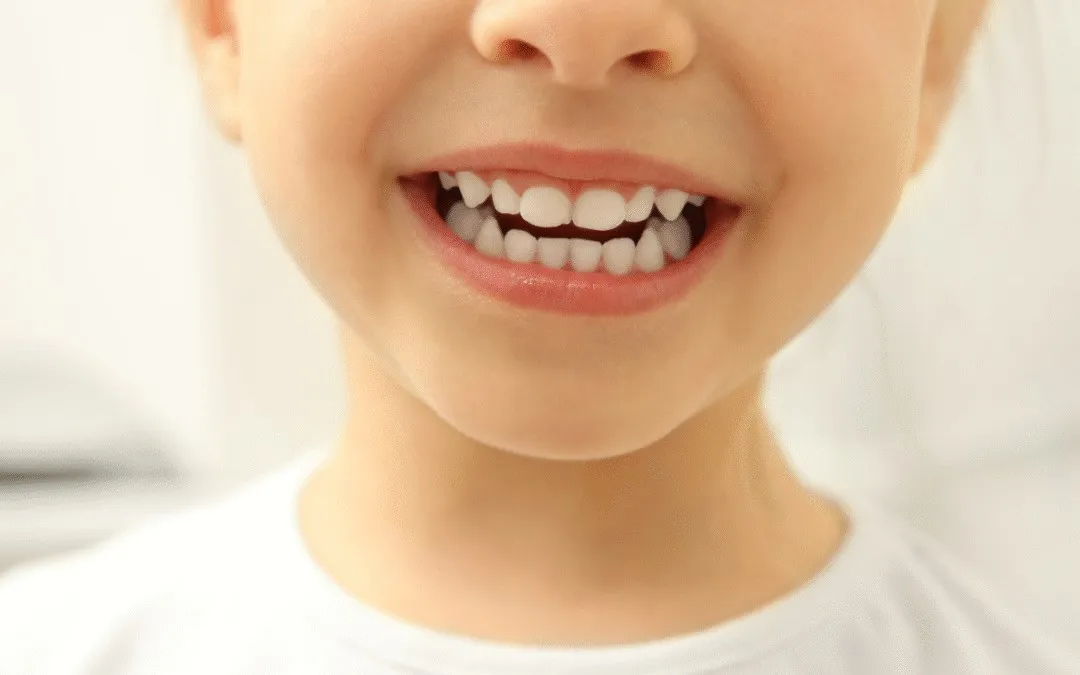
You’re sitting in the dentist’s chair with your eight-year-old when they casually mention that your child might benefit from “early orthodontic intervention.” Suddenly you’re wondering if this is just another way to add to your healthcare expenses, or if there’s genuine benefit to starting orthodontic treatment before all the adult teeth have even come through.
At Central Coast Orthodontics, we understand this dilemma perfectly. Many parents question whether phased orthodontic treatment is truly necessary or just an expensive preview of what’s coming later. The truth is, interceptive orthodontics isn’t about getting your child into braces early for the sake of it, it’s about creating the optimal conditions for their developing smile and potentially making future comprehensive treatment simpler, shorter, and more effective.
Understanding Interceptive Orthodontics
Interceptive orthodontics, also called Phase 1 treatment, focuses on guiding jaw growth and tooth development while your child still has a mix of baby and adult teeth. This typically occurs between ages 7-10, when specific developmental windows offer unique opportunities to influence how your child’s mouth develops.
Unlike comprehensive orthodontic treatment that addresses all teeth simultaneously, interceptive treatment targets specific issues that, if left untreated, could create more complex problems later. Think of it as preventive maintenance for your child’s developing smile – addressing small issues before they become big problems.
According to the Australian Society of Orthodontists, approximately 75% of children show signs of crowding or jaw development issues by age 12. Early intervention can often redirect this development in more favourable directions, potentially reducing the complexity of future treatment.
The key is understanding that interceptive treatment isn’t always necessary, but when it is recommended by experienced orthodontic specialists, it can provide significant long-term benefits for your child’s oral health and facial development.
Common Issues Addressed Through Early Intervention
Not every child needs interceptive orthodontics, but certain conditions benefit significantly from early treatment. Understanding these conditions helps parents make informed decisions about their child’s orthodontic care.
Severe Crowding Issues: When adult teeth are trying to emerge into spaces that are clearly too small, early intervention can create additional room through palatal expansion or other growth modification techniques. This prevents teeth from becoming impacted or erupting in severely malpositioned locations.
Crossbite Problems: Crossbites occur when upper teeth sit inside lower teeth rather than outside them. Left untreated, crossbites can cause uneven jaw growth and facial asymmetry. Early correction allows the jaws to develop more normally.
Excessive Overbites: Severe overbites can lead to trauma to front teeth and abnormal jaw development. Early treatment can modify jaw growth patterns and protect teeth from injury.
Space Management: When baby teeth are lost prematurely due to decay or trauma, space maintainers preserve room for adult teeth to erupt properly. This prevents crowding that might otherwise require tooth extraction later.
Harmful Oral Habits: Persistent thumb sucking, tongue thrusting, or other oral habits can significantly affect tooth and jaw development. Interceptive treatment can help eliminate these habits before they cause permanent changes.
How Early Treatment Prepares for Future Success
The goal of interceptive orthodontics isn’t to perfect your child’s smile immediately, it’s to create optimal conditions for their continued development and any future comprehensive treatment they might need.
Improving Jaw Relationships: Early treatment can guide jaw growth to create better proportions between upper and lower jaws. This foundation makes any future orthodontic treatment more stable and predictable. When jaws are properly related, tooth movements are more efficient and results tend to be more stable long-term.
Creating Adequate Space: By addressing crowding early, interceptive treatment can eliminate the need for tooth extractions during comprehensive treatment. Preserving all permanent teeth is almost always preferable when possible, both functionally and aesthetically.
Reducing Treatment Complexity: Complex bite problems that develop during childhood often become more difficult to correct once growth is complete. Early intervention can simplify these issues, making future treatment faster and more comfortable for your child.
Protecting Teeth from Trauma: Protruding front teeth are vulnerable to injury during childhood activities. Early treatment can reposition these teeth to a safer location, preventing chips, fractures, or tooth loss that could complicate future treatment.
The Phased Treatment Timeline
Phased orthodontic treatment typically follows a predictable timeline that takes advantage of your child’s natural development stages.
Phase 1 (Ages 7-10): Early intervention addresses specific developmental issues while your child still has baby teeth. Treatment duration is usually 12-18 months, focusing on creating proper conditions for continued development.
Rest Period (Ages 11-12): After Phase 1 treatment, children enter a monitoring period where we observe their continued development. During this time, remaining baby teeth fall out naturally and adult teeth continue erupting. Regular check-ups ensure development stays on track.
Phase 2 (Ages 12-14): Comprehensive treatment begins once most adult teeth have erupted. Because of the foundation created during Phase 1, this treatment is often shorter, less complex, and more predictable than it would have been without early intervention.
Retention (Ongoing): After comprehensive treatment, retainers maintain results just like any orthodontic treatment. However, results tend to be more stable when proper jaw relationships were established early.
Benefits Beyond Orthodontics
While the primary goal of interceptive orthodontics is preparing for optimal oral development, the benefits often extend beyond just teeth alignment.
Breathing and Sleep Improvements: Narrow upper jaws can contribute to breathing difficulties and sleep issues in children. Early palatal expansion can open nasal passages and improve airway function, potentially addressing these concerns before they become entrenched patterns.
Speech Development: Proper tooth and jaw relationships support clear speech development. Addressing severe bite problems early can prevent speech issues from developing or becoming habit patterns.
Self-Esteem Considerations: While we’re careful not to overemphasise appearance, severe orthodontic problems can affect a child’s willingness to smile or participate socially. Early treatment can address the most noticeable issues during crucial social development years.
Simplified Oral Hygiene: Severely crowded or malpositioned teeth are difficult to clean properly. Early intervention can create better access for brushing and flossing, supporting better oral health throughout childhood.
Making the Decision: Is Early Treatment Right for Your Child?
Not every child needs interceptive orthodontics, and it’s important to distinguish between problems that truly benefit from early treatment versus those that can wait until comprehensive treatment age.
Clear Indications for Early Treatment: Severe crossbites, significant crowding preventing tooth eruption, harmful habits affecting development, and trauma risk from protruding teeth typically warrant early intervention.
Conditions That Can Usually Wait: Minor spacing issues, slight crowding that isn’t preventing tooth eruption, and cosmetic concerns without functional implications can often be addressed during comprehensive treatment.
The Importance of Specialist Evaluation: Orthodontic specialists have advanced training in growth and development that allows them to distinguish between conditions requiring early intervention and those that can wait. This evaluation should be based on clinical examination and diagnostic records, not just visual appearance.
At Central Coast Orthodontics, we only recommend interceptive treatment when it provides clear benefits for your child’s long-term oral health and development. We’re always honest about whether early treatment is truly necessary or if monitoring until comprehensive treatment age would be equally effective.
Investing in Your Child’s Future Smile
Phased orthodontic treatment represents a strategic approach to your child’s oral development, addressing problems when they’re most treatable while preparing the foundation for optimal long-term results. When properly applied, interceptive orthodontics can simplify future treatment, preserve teeth that might otherwise require extraction, and support healthy development patterns.
The key is working with experienced orthodontic specialists who can accurately assess your child’s individual needs and recommend treatment only when it provides genuine benefits. Not every child needs early intervention, but when it’s appropriate, the advantages often extend well beyond the teeth themselves.
Wondering whether your child might benefit from early orthodontic evaluation? Call Central Coast Orthodontics today to schedule a consultation. Our experienced team will assess your child’s development and provide honest guidance about whether interceptive treatment could benefit their long-term oral health and smile development.
Frequently Asked Questions
At what age should my child have their first orthodontic evaluation? The Australian Society of Orthodontists recommends children have their first orthodontic evaluation by age 7. This allows orthodontic specialists to assess jaw growth patterns and tooth development while there’s still time for early intervention if needed. If my child has Phase 1 treatment, will they definitely need braces later? Not necessarily. While many children who receive interceptive treatment do benefit from comprehensive treatment later, some cases can be completed with Phase 1 alone. The need for future treatment depends on how your child’s development progresses and what issues remain after early intervention. Is phased treatment more expensive than waiting for comprehensive treatment? While phased treatment involves two separate treatment periods, it often reduces the complexity and duration of comprehensive treatment. Many families find the total investment comparable to complex single-phase treatment, with the added benefit of addressing problems during optimal developmental windows.