It’s Friday evening, and your child’s bracket has just popped off their tooth. Or perhaps it’s Sunday morning, and they’re complaining of severe pain from their braces. Determining whether you’re dealing with a true urgent orthodontic issue or something that can wait until the next business day isn’t always straightforward. At Central Coast Orthodontics, we understand that orthodontic problems don’t conveniently occur only during business hours. While most orthodontic issues aren’t true medical emergencies, some situations do require prompt attention to prevent complications or address significant discomfort. Understanding the difference between genuine urgent orthodontic issues and routine problems can help you respond appropriately when issues arise with your family’s orthodontic treatment.
What Actually Constitutes an Orthodontic Emergency
True orthodontic emergencies are relatively uncommon, but they do require immediate professional attention. These situations involve significant pain, injury, or risk of permanent damage that cannot wait for a regular appointment. Severe Trauma to the Mouth or Teeth: Any significant injury to the mouth, teeth, or orthodontic appliances resulting from accidents, sports injuries, or falls requires immediate evaluation. This includes situations where teeth have been knocked loose, fractured, or displaced, particularly if there’s bleeding that won’t stop. Swallowed or Inhaled Orthodontic Components: If a patient swallows a loose bracket, wire, or other orthodontic component, this requires immediate medical attention. Similarly, if any orthodontic piece becomes lodged in the throat or is suspected of being inhaled, emergency medical care is necessary. Severe Infection or Swelling: Significant facial swelling, particularly if it affects breathing or swallowing, constitutes a medical emergency. Signs of serious infection around orthodontic appliances, such as fever accompanied by severe swelling, require immediate medical evaluation. These situations require immediate contact with emergency medical services or hospital emergency departments rather than waiting for orthodontic office hours.
Urgent Issues That Need Prompt Professional Care
While not medical emergencies, certain orthodontic problems do constitute an urgent orthodontic issue that requires timely professional attention to prevent complications. Severe Wire Displacement: When archwires become severely displaced and cannot be repositioned safely at home, particularly if they’re causing persistent discomfort or interfering with normal function, professional adjustment is needed. Appliance Breakage Affecting Function: Broken appliances that interfere with eating, speaking, or normal oral function require timely repair. This includes situations where large portions of fixed appliances become loose or damaged. Lost or Damaged Retainers: For patients in the retention phase, lost or significantly damaged retainers need prompt replacement to prevent tooth movement and maintain treatment results. Severe Persistent Pain: While some discomfort after adjustments is normal, severe pain that doesn’t respond to appropriate pain management techniques or persists beyond expected timeframes may require professional evaluation. These situations warrant contact with your orthodontic office for guidance and prompt appointment scheduling.
Common Issues That Can Usually Wait
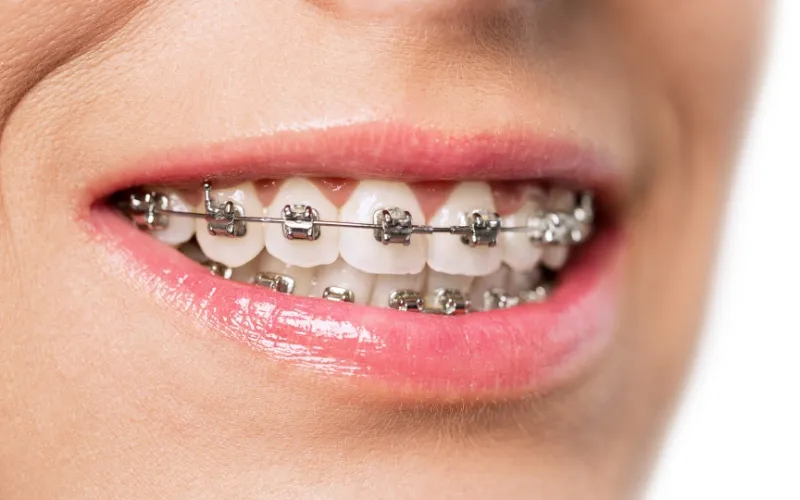
Many orthodontic concerns, while inconvenient, don’t constitute urgent orthodontic issues and can safely wait until the next available appointment during regular business hours. Single Loose Brackets: A single loose bracket that isn’t causing pain or significant irritation can typically wait for the next regular appointment, provided it’s not completely detached and creating a swallowing hazard. Minor Wire Irritation: Small areas of irritation from orthodontic wires that can be managed with orthodontic wax or other comfort measures don’t require urgent attention. Temporary Appliance Discomfort: Normal discomfort following routine adjustments that responds to appropriate pain management and gradually improves is expected and doesn’t require urgent care. Lost Elastic Bands: Missing rubber bands or elastic ties should be replaced promptly but don’t typically constitute urgent situations unless specifically instructed otherwise.
Immediate Care Steps for Orthodontic Issues
When orthodontic problems occur, taking appropriate immediate steps can help manage discomfort and prevent complications while waiting for professional care. For Loose Brackets: If a bracket becomes loose but remains attached to the wire, avoid manipulating it excessively. If it’s causing irritation, orthodontic wax can provide temporary relief. If a bracket becomes completely detached, save it for your appointment and avoid small pieces that could be accidentally swallowed. For Protruding Wires: Never attempt to cut orthodontic wires at home. If a wire is causing irritation, try gently pushing it away from the irritated area with a cotton swab. Orthodontic wax can cover sharp edges temporarily. For General Discomfort: Over-the-counter pain relief appropriate for the patient’s age and medical history can help manage routine adjustment discomfort. Soft foods and cold compresses may also provide relief. For Appliance Damage: Avoid trying to repair broken orthodontic appliances yourself. Remove any loose pieces that could be swallowed and contact your orthodontic office for guidance.
When to Contact Central Coast Orthodontics
Understanding when to contact our practice helps ensure appropriate response to orthodontic issues without unnecessary delays. During Business Hours: For non-urgent issues, calling during regular office hours allows our team to assess the situation and schedule appropriate appointment times. This includes loose brackets, minor wire problems, or routine appliance concerns. After Hours for Urgent Issues: Our practice provides emergency contact information for situations that truly require immediate attention. This includes severe pain that doesn’t respond to appropriate management, significant appliance damage affecting function, or situations where safety is a concern. Clear Communication: When contacting our office about orthodontic problems, provide clear descriptions of symptoms, when they started, and what makes them better or worse. This helps our team provide appropriate guidance and determine urgency levels.
Prevention Strategies
While some orthodontic issues are unavoidable, many can be prevented through proper care and precautions. Dietary Precautions: Following recommended dietary guidelines helps prevent bracket breakage and wire damage. Avoiding hard, sticky, or chewy foods reduces the risk of appliance problems. Protective Equipment: Using appropriate mouthguards during sports activities protects both teeth and orthodontic appliances from injury. Proper Oral Hygiene: Maintaining good oral hygiene prevents problems that could complicate orthodontic treatment and reduces the risk of soft tissue irritation. Following Instructions: Adhering to specific care instructions for different types of appliances helps prevent many common problems.
Managing Issues During Travel
Orthodontic problems during family travel require special consideration for managing an urgent orthodontic issue away from your regular practice. Travel Preparation: Before extended travel, ensure all orthodontic appliances are in good condition and carry emergency supplies including orthodontic wax, appropriate pain relief, and emergency contact information. Finding Local Care: For serious issues during travel, local orthodontic practices or hospital emergency departments can provide temporary care until you can return to your regular orthodontist.
The Importance of Professional Assessment
While understanding basic emergency care is helpful, professional assessment remains essential for determining appropriate treatment for any urgent orthodontic issue. Self-diagnosis and home remedies should never replace professional evaluation when significant problems occur. What appears minor might require professional attention, while seemingly serious issues might be manageable with simple adjustments. Our team at Central Coast Orthodontics has the experience to quickly assess orthodontic problems and provide appropriate treatment recommendations. We help families understand what constitutes genuine urgency versus routine concerns.
Conclusion
Understanding the difference between true orthodontic emergencies and routine issues helps families respond appropriately when problems arise with orthodontic treatment. While most orthodontic concerns aren’t urgent, knowing when to seek immediate attention and when issues can wait until regular appointments ensures appropriate care. At Central Coast Orthodontics, we provide clear guidance about managing orthodontic problems and are available to assess any urgent orthodontic issue that requires prompt attention. Our team helps families navigate unexpected orthodontic concerns with appropriate care and professional expertise. Experiencing an orthodontic issue and unsure whether it requires urgent attention? Contact Central Coast Orthodontics for professional assessment and guidance. Our experienced team can help determine the appropriate response and provide the care needed to address your orthodontic concerns.
Frequently Asked Questions
How can I tell if my child’s orthodontic discomfort is normal or requires urgent attention? Normal adjustment discomfort typically peaks within 24-48 hours and gradually improves with appropriate pain management. Severe pain that worsens over time, doesn’t respond to appropriate pain relief, or is accompanied by swelling may require professional evaluation. What should I do if a bracket breaks during weekend periods? If the broken bracket isn’t causing pain or significant irritation, it can usually wait until the next business day. Use orthodontic wax if needed for comfort and avoid manipulating the broken piece. Contact our office for guidance if you’re unsure. When should orthodontic issues be treated at a hospital emergency department? Hospital emergency departments should be contacted for severe trauma, significant bleeding that won’t stop, signs of serious infection with fever and swelling, or if orthodontic components have been swallowed or inhaled. Most other orthodontic issues can be managed by orthodontic professionals.